


Zelensky urges EU to use frozen Russian assets for Ukraine
EU leaders weigh using frozen Russian assets to fund Ukraine, as Zelensky warns time is short and unity in Brussels is tested.
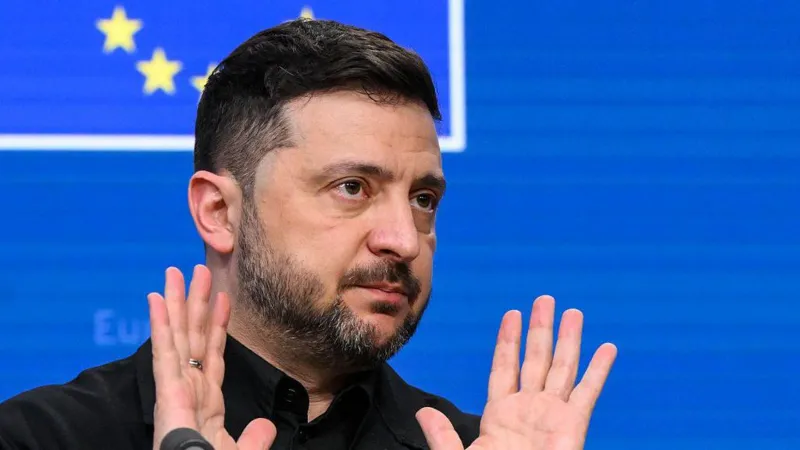
In a decisive moment at a Brussels summit, Ukraine's president pressed European Union leaders to approve a multi‑billion euro loan drawn from frozen Russian assets to support Kyiv’s military and recovery efforts. With funding gaps growing, Zelensky warned that spring financing shortages could curb drone production and other crucial operations.
The plan centers on about €210 billion of Russian assets frozen in the EU, much of it controlled by the Belgium‑based Euroclear settlement house. While some member states remain cautious about turning the assets into a repair loan for Kyiv, the idea has gained traction as a possible way to sustain aid without new cash from national budgets.
On the political front, Polish Prime Minister Donald Tusk urged EU leaders to seize the moment and act, while suggestions of a legal path to access the funds have been debated, including potential European borrowing options. The summit occurs as Russia takes legal action in a Moscow court against Euroclear in a bid to reclaim the assets.
Zelensky estimated Ukraine faces a deficit of roughly €45-50 billion next year, with European Commission President Ursula von der Leyen promising, "We will not leave this summit without a solution." A senior EU official described cautious optimism about reaching a deal, underscoring how momentous the decision is for Kyiv and Brussels alike.
Belgian Prime Minister Bart De Wever cautioned that any agreement must be acceptable to all EU members, noting that if the plan fails to win broad support, it could trigger legal and financial complications. The mood among capitals is divided, with some leaders warning of potential risks and others pressing for a swift resolution to preserve Kyiv’s defense and reconstruction momentum.
At the same time, global diplomacy is shifting. U.S. President Joe Biden’s allies say a broader peace process is inching forward, with talks in Miami planned between U.S. officials and Kremlin envoys to discuss potential settlements. Zelensky, who is in Brussels, reiterated that Kyiv needs funds to sustain its military and, if possible, to jumpstart long‑term recovery and reconstruction.
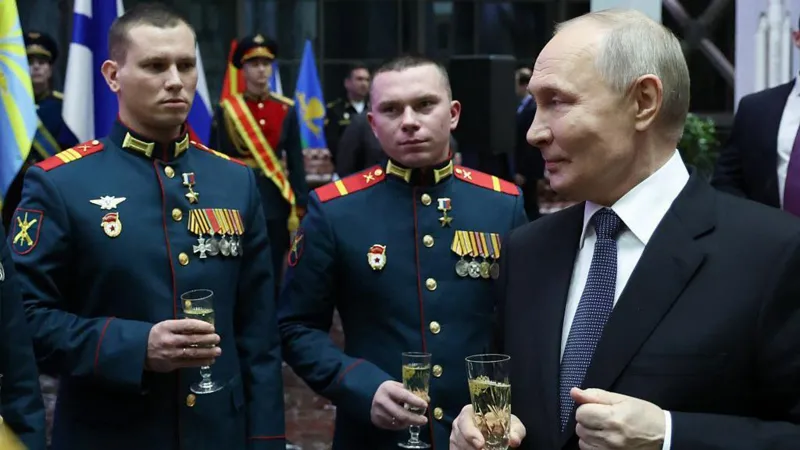
Russia has signaled that plans for a European‑led multinational security effort, backed by the United States, would not be acceptable. President Vladimir Putin described Europe as being in a state of decline and used a dismissive metaphor for Ukraine’s Western partners, signaling the hard political realities behind any financial decision.
The European Commission has proposed lending Kyiv about €90 billion over the next two years from the frozen assets, which would cover a substantial portion of Kyiv’s needs through 2026 and 2027. Previously, the EU provided the income from the cash, not the principal, but the proposed loan would convert the funds into direct support for Ukraine.
"This is a moment of urgency for Ukraine to keep fighting and rebuilding," a Finnish government official told INLIBER. "There are ongoing peace efforts, but access to these funds gives Kyiv real leverage without appearing desperate."
The Commission also suggests exploring a market‑based borrowing model, backed by the EU budget as a guarantee. However, reaching unanimity is challenging, particularly with Hungary’s stance led by Prime Minister Viktor Orban, who has signaled resistance to expanding EU funding for Ukraine.
Other capitals, including those of Italy, Malta, Bulgaria and the Czech Republic, have voiced reservations about how the funds would be used, especially in relation to reconstruction versus military spending. Any final agreement will require a majority of 15 member states representing at least 65% of Europe’s population—a threshold Brussels insists can’t be imposed without Belgian consent, given the sensitivity of the Belgian parliament and public opinion.
Belgium’s position is closely watched after Fitch placed Euroclear on a negative watch, citing potential legal and financial risks tied to the plan. European officials say the only way for Russia to recover the funds would be through reparations to Ukraine, with any future repayments funneling back into the EU’s program for Kyiv.
Expert comment: A financial analyst notes that the plan hinges on airtight legal grounds to prevent disputes and to reassure all member nations. The path to approval will depend on transparent risk assessments and credible safeguards that address Belgium’s concerns.
In summary, EU leaders confront a pivotal choice: convert frozen Russian assets into direct aid for Ukraine or seek alternative funding paths that preserve political unity. The outcome will influence Kyiv’s defense and reconstruction options, the broader war dynamics, and future EU crisis response tools.
The decision could shape Ukraine’s near‑term security prospects and long‑term recovery, while testing European unity and legal clarity. As Brussels weighs the options, Kyiv continues to press for a tangible financial lifeline, and allies in Washington and beyond watch closely.
Key insight: The EU is weighing a high‑stakes move to unlock frozen Russian assets as Ukraine’s funding needs grow, testing legal grounds and political unity across member states. Source: BBC News
Discover the latest news and current events in Economics as of 19-12-2025. The article titled " Zelensky urges EU to use frozen Russian assets for Ukraine " provides you with the most relevant and reliable information in the Economics field. Each news piece is thoroughly analyzed to deliver valuable insights to our readers.
The information in " Zelensky urges EU to use frozen Russian assets for Ukraine " helps you make better-informed decisions within the Economics category. Our news articles are continuously updated and adhere to journalistic standards.