


Will Ireland's New Alcohol Warnings Change Drinking Habits?
Ireland rolls out strong health warnings on alcohol; young adults weigh their impact amid a pub-centered culture.
In Ireland, strong health warnings on alcohol bottles began appearing in 2023, even as a pub-centered social scene remains a cornerstone of daily life. As the mandatory rollout nears its 2028 deadline, many young adults are weighing how these labels might influence their drinking choices.
What the warnings say and the policy timeline
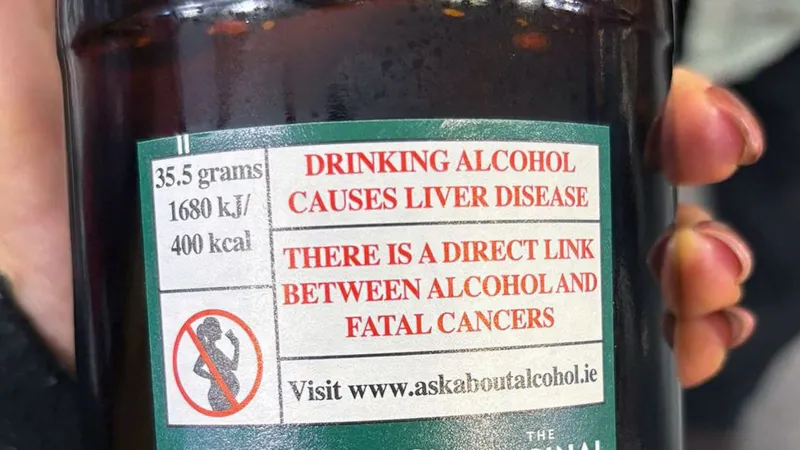
Under new Irish rules, bottles and cans sold in shops and pubs carry warnings that drinking can cause liver disease and is linked to fatal cancers. The goal is to make health risks clearer, especially for heavy drinkers. In 2023, the measures began to appear, but the government decided not to enforce them as a mandatory rule until 2028, citing concerns about the global trading environment.
Public health advocates welcomed the labels but questioned whether the delay will blunt their impact. Industry groups, including Drinks Ireland, urged a cautious approach and called for similar standards across the European Union.

Culture and consumer voices in Dublin and beyond
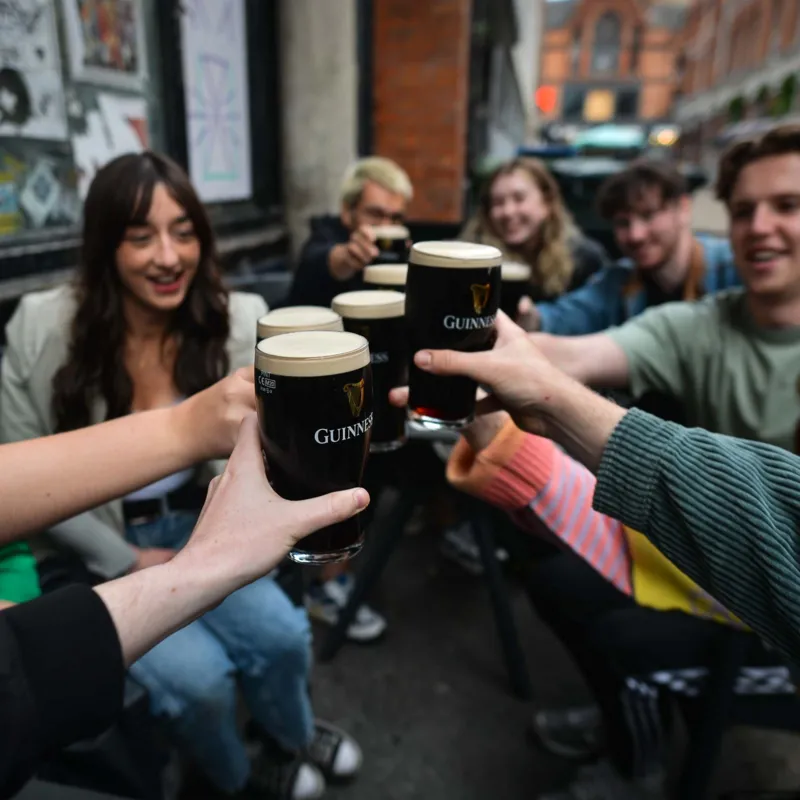
For many, Ireland's drinking culture is closely tied to social life. Pubs are often the gathering spot, sometimes featuring live music and stories about enjoying a drink with friends. Yet attitudes towards alcohol are shifting among younger generations, with more people choosing to drink less or to avoid alcohol altogether on some occasions.
Jack, a 29-year-old advertising professional who grew up in County Galway, describes a typical night out as a balance between casual social drinking and occasional heavier sessions. He notes that recognizing personal limits is part of staying healthy, even in a setting where alcohol is deeply woven into the fabric of social life.

Amdanda, 23, has seen the labels but wonders whether they change behavior. She often caps a night at around three drinks and says staying in control matters more than letting alcohol dictate her plans. She is also mindful of how social media images shape perceptions in her generation.

Expert commentary
Public health experts say health warnings can gradually influence decisions, but lasting change requires ongoing education and accessible healthier options. They also note that the social norms surrounding drinking are deeply embedded in Irish life.
Are warnings turning the tide? Trends and personal choices
Industry data show that overall alcohol consumption in Ireland has fallen by about one-third over 25 years, yet binge drinking among youth remains high in Europe. Reports from Alcohol Action Ireland indicate a rise in the share of 15-24 year olds who drink, with a sizable portion engaging in regular binge drinking. These findings suggest that while warnings raise awareness, the habit of drinking in social settings persists for many.
Some young people, like Sam who reduced his drinking and even quit beer for a year, illustrate how personal decisions can evolve. Others remain more skeptical about the influence of warnings, viewing them as information rather than a deterrent. Even among those who cut back, social contexts and the perceived value of going out hold major sway.
In a broader policy context, the government has explained the 2028 delay as a response to international trade considerations, while supporters push for harmonized EU-wide standards to avoid a patchwork approach across markets.

Bottom line for readers
Ireland is pursuing stronger health warnings on alcohol while balancing a tradition-rich drinking culture. The delayed rollout means many labels are already visible, but a definitive impact on behavior may take years to become clear. For now, young people weigh personal limits, social expectations, and the evolving rules that shape their choices.
In short, the conversation around alcohol in Ireland centers on whether clearer warnings can nudge safer habits without disrupting a long-standing social tradition.
Key insight: Ireland’s stronger alcohol warnings reflect a gradual public health strategy amid a pub-focused culture, with a delayed mandate prompting continued debate on effectiveness. Source: BBC News