

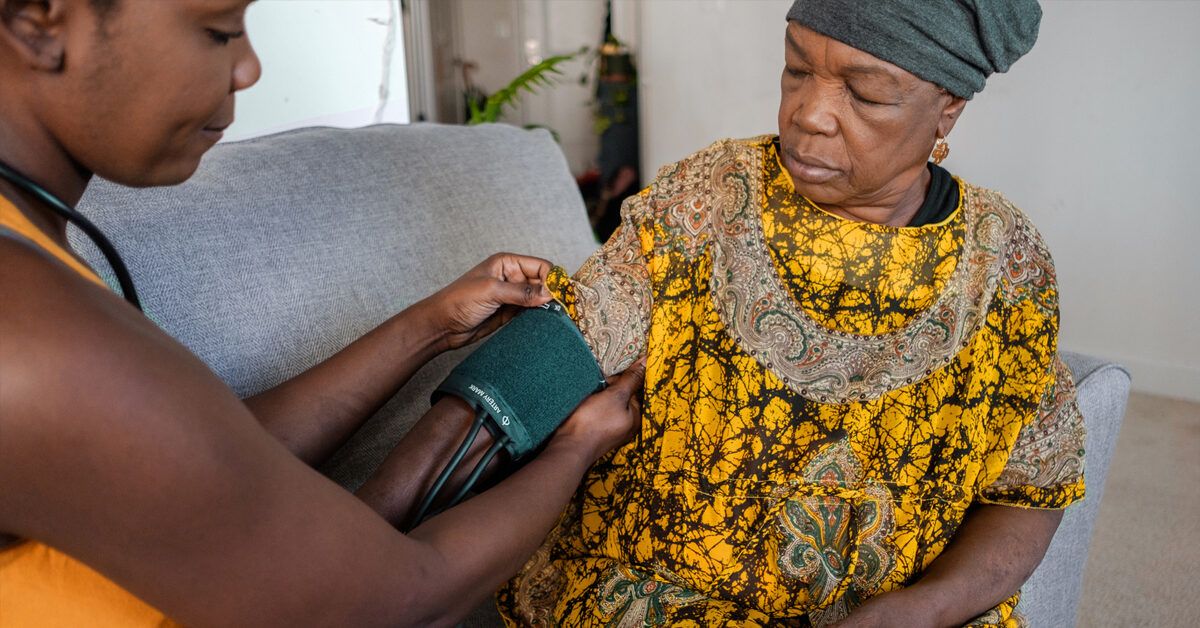

Understanding Heart Disease Risks in African American Communities: Key Factors and Prevention
Explore the unique factors contributing to higher heart disease mortality among African Americans despite lower cholesterol levels, and discover effective prevention strategies.
Although African Americans often have lower total cholesterol compared to other racial groups, they face a significantly higher risk of dying from heart disease. This paradox raises important questions about the underlying causes and the role that diet and other factors play.

Heart disease remains the leading cause of death in the United States, encompassing a range of conditions that affect the heart, with coronary artery disease (CAD) being the most prevalent.
While heart disease rates have declined across all racial and ethnic groups, African American adults are still approximately 30% more likely to die from heart disease compared to non-Hispanic white adults. Among younger adults aged 18 to 49, African Americans face twice the risk of heart disease mortality compared to their white counterparts.
Cholesterol is a well-known risk factor for heart disease, particularly CAD. Interestingly, African Americans generally have lower LDL (bad cholesterol) levels than other groups, suggesting that other factors contribute to their increased heart disease risk.
Higher incidences of diabetes and hypertension among African Americans are significant contributors. Additionally, social determinants such as limited access to healthcare, higher poverty rates, and lower insurance coverage exacerbate these health disparities by hindering early detection and management of risk factors.
The Role of Cholesterol in Heart Health
Cholesterol is essential for building cells and hormones, and our bodies produce it naturally. Cholesterol travels through the bloodstream via proteins: low-density lipoprotein (LDL), often labeled 'bad' cholesterol, can accumulate in blood vessel walls, leading to narrowing and CAD. Conversely, high-density lipoprotein (HDL), known as 'good' cholesterol, helps remove cholesterol from the bloodstream, protecting heart health.
Nearly 40% of Americans have elevated cholesterol, but African Americans are more likely to have favorable LDL levels, indicating other risk factors are at play.
Dietary Influences on Cholesterol
Although genetics primarily determine cholesterol levels, diet also impacts LDL cholesterol. Foods high in saturated fats—such as red and processed meats, full-fat dairy, and coconut—can raise LDL, while vegetables, fruits, whole grains, beans, nuts, and seeds may help lower it.
| Foods That May Increase LDL | Foods That May Decrease LDL |
|---|---|
| • Red meat • Processed meat • Full-fat dairy • Coconut | • Vegetables • Fruits • Whole grains • Beans • Nuts • Seeds |
It's important to recognize that African American food traditions are diverse and culturally significant. However, some dietary guidelines have historically stigmatized traditional soul and Southern foods, often without considering cultural context or nutritional diversity.
Genetics and Family History
Family history is a crucial factor in heart disease risk. Conditions such as heart disease, diabetes, hypertension, and high cholesterol often run in families. Understanding your family health history can provide valuable insight into your personal risk.
Statins are commonly prescribed to lower LDL cholesterol, especially for those with a family history of heart disease. Unfortunately, African Americans are less likely to receive statins or appropriate dosing compared to white patients. Moreover, most statin research has predominantly involved white men, leaving gaps in understanding their effectiveness in diverse populations.
Identifying High-Risk Individuals
Risk factors for heart disease include:
- Elevated LDL cholesterol
- Low HDL cholesterol
- High blood pressure
- Diabetes
- Age
- Family history of heart disease
- Physical inactivity
- Stress
- Smoking
Impact of Underlying Health Conditions
Certain chronic conditions significantly increase heart disease risk, particularly when poorly managed. African Americans experience higher rates of diabetes (19.6%) and hypertension (42.1%) compared to white adults (13% and 28.7%, respectively), according to CDC data.
Practical Steps to Reduce Heart Disease Risk
Regular Health Screenings
Routine monitoring of cholesterol, blood pressure, and blood sugar levels enables early detection and effective management of heart disease risk factors. Consult your healthcare provider to determine the appropriate screening frequency.
Healthy Eating Habits
Incorporating a high-fiber diet rich in fruits, vegetables, nuts, seeds, whole grains, and legumes can help control cholesterol and blood sugar levels.
Active Lifestyle
Engaging in regular physical activity—including aerobic exercises, strength training, and stretching—supports cardiovascular health. Choose enjoyable activities to maintain consistency.
For smokers, reducing or quitting smoking greatly benefits heart health; seek professional support if needed.
Addressing Systemic Barriers
Beyond individual actions, systemic changes are essential to improve heart health outcomes, such as:
- Expanding equitable healthcare access
- Providing nutritious food options in underserved areas
- Enhancing community safety to promote physical activity
Summary
African Americans face a higher risk of heart disease mortality despite generally having lower cholesterol levels. Factors like hypertension, diabetes, genetics, family history, and social determinants of health contribute to this disparity.
While personal lifestyle changes are vital, addressing broader systemic issues is crucial to achieving equitable heart health for all communities.
Discover the latest news and current events in Health Equity as of 04-02-2023. The article titled " Understanding Heart Disease Risks in African American Communities: Key Factors and Prevention " provides you with the most relevant and reliable information in the Health Equity field. Each news piece is thoroughly analyzed to deliver valuable insights to our readers.
The information in " Understanding Heart Disease Risks in African American Communities: Key Factors and Prevention " helps you make better-informed decisions within the Health Equity category. Our news articles are continuously updated and adhere to journalistic standards.