


Supply Chain Management (SCM) in 2025: How It Works, Benefits & Average Salary $111K-$142K
Discover the essentials of modern Supply Chain Management (SCM) — from planning and sourcing to delivery and returns. Learn how effective SCM boosts efficiency, cuts costs, and drives business success in 2025.
What is Supply Chain Management (SCM)?
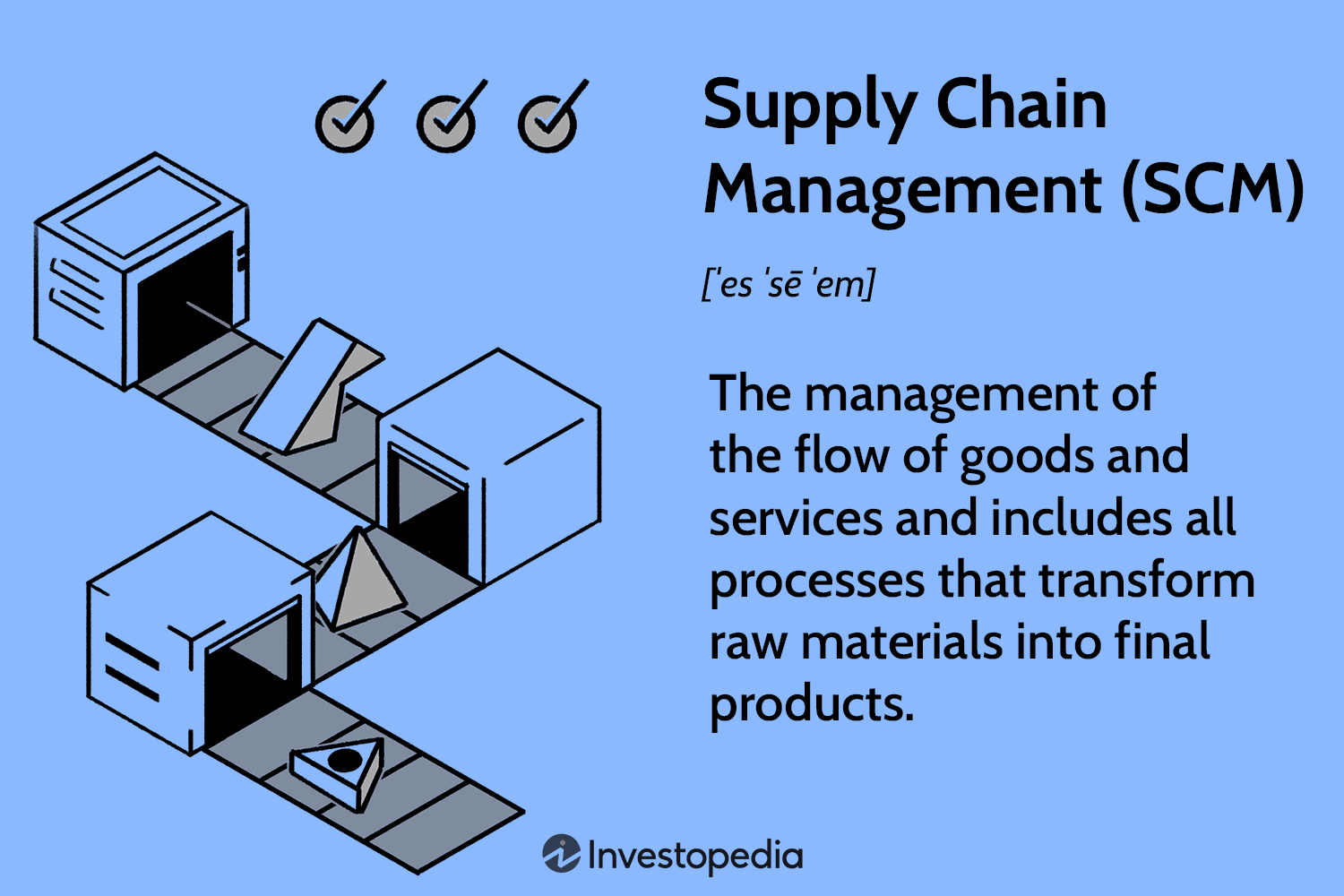
Supply Chain Management (SCM) involves overseeing and optimizing the entire lifecycle of a product — from sourcing raw materials to delivering finished goods to customers. It aims to enhance efficiency, reduce waste, and provide maximum value to consumers while giving businesses a competitive edge.
Key Highlights
- SCM centrally manages the flow of goods and services through all stages of production and distribution.
- Effective SCM reduces unnecessary expenses and speeds up product delivery to customers.
- It helps prevent costly product recalls, legal issues, and reputation damage.
- The five vital phases are planning, sourcing, manufacturing, delivery, and returns.
- Supply chain managers focus on cost control and avoiding supply disruptions.

How Does SCM Work?
SCM is a continuous process where companies strive to make their supply chains as cost-efficient and streamlined as possible. It involves controlling production, shipping, and distribution, minimizing excess inventory, and coordinating with vendors to ensure smooth operations.
Modern SCM acknowledges that multiple organizations contribute to a product’s journey to market. While supply chains have always existed, their strategic management has become essential for operational success in recent years.
The 5 Essential Phases of SCM
Supply chain managers do more than just logistics; they enhance efficiency, reduce costs, and prepare for unexpected challenges. The SCM process includes:
1. Planning
Planning aligns supply with manufacturing and customer demands, forecasting raw material needs, production capacity, and staffing. Enterprise Resource Planning (ERP) software often supports this stage to coordinate activities.
2. Sourcing
Sourcing builds strong supplier relationships to secure materials that meet quality, price, and delivery requirements. Flexibility and reliability from vendors are critical, especially for perishable goods.
3. Manufacturing
This phase transforms raw inputs into final products through assembly, testing, and packaging, while minimizing waste and ensuring quality control.
4. Delivery
Robust logistics enable timely, safe, and cost-effective distribution to customers, with contingency plans for disruptions such as weather or transport issues.
5. Returns
Also called reverse logistics, this phase manages product returns and recalls, ensuring customer satisfaction and providing feedback to improve future products.
Popular Supply Chain Models
SCM approaches vary based on business goals and industry demands:
- Continuous Flow Model: Ideal for steady demand and mature industries producing uniform products.
- Agile Model: Emphasizes flexibility for unpredictable demand or custom orders.
- Fast Model: Focuses on quick production and sales for products with short life cycles.
- Flexible Model: Adjusts production based on seasonal demand fluctuations.
- Efficient Model: Prioritizes cost-effectiveness in tight-margin industries.
- Custom Model: Tailored SCM strategies for specialized or technical industries.
Real-World SCM Example: Walgreens Boots Alliance
Walgreens Boots Alliance revamped its supply chain by leveraging big data from thousands of stores and suppliers to improve forecasting and inventory management. The company also integrates SCM with its environmental and social governance goals, assessing supplier sustainability practices.
Why SCM Matters in 2024
Effective SCM enhances product quality, reduces recalls, boosts customer satisfaction, and improves profit margins—especially important for global operations. It offers businesses vital control over manufacturing and shipping processes, driving overall success.
Ethics & Supply Chain Management
Supply chain ethics have gained importance as companies face investor and consumer scrutiny regarding labor practices and environmental impact. SCM now incorporates sustainability initiatives like waste reduction and fair labor standards.
Supply Chain Management Salaries in 2024
According to Salary.com, supply chain managers in the U.S. earn between $111,000 and $142,000 annually as of June 2024, reflecting the role’s strategic value.
Final Thoughts
From raw materials to customer delivery, every link in the supply chain presents opportunities for improvement. A well-executed SCM strategy enhances revenue, reduces costs, and solidifies a company’s competitive position in today’s dynamic market.
Discover the latest news and current events in Supply Chain as of 20-05-2024. The article titled " Supply Chain Management (SCM) in 2025: How It Works, Benefits & Average Salary $111K-$142K " provides you with the most relevant and reliable information in the Supply Chain field. Each news piece is thoroughly analyzed to deliver valuable insights to our readers.
The information in " Supply Chain Management (SCM) in 2025: How It Works, Benefits & Average Salary $111K-$142K " helps you make better-informed decisions within the Supply Chain category. Our news articles are continuously updated and adhere to journalistic standards.