

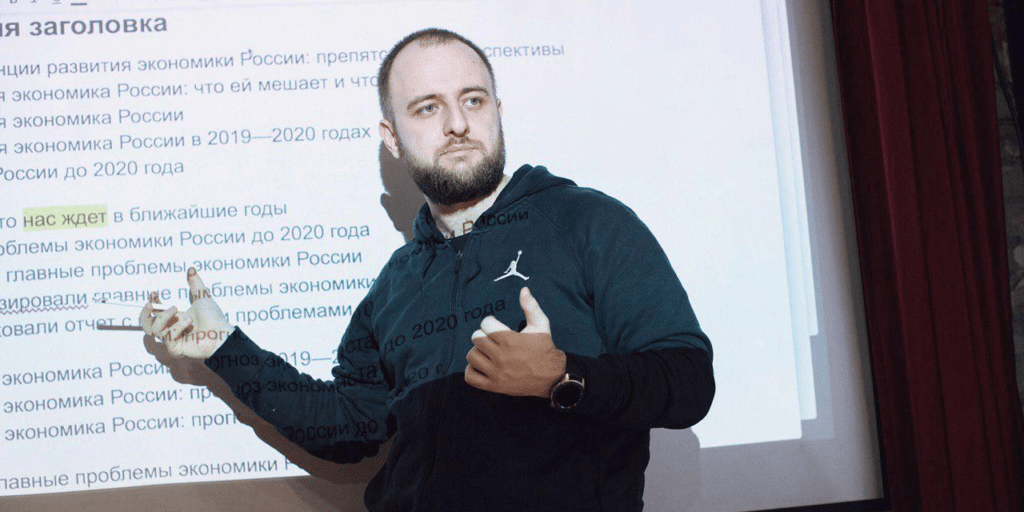

Inside the Creative World of Maxim Ilyakhov: Editor and Founder of Glavred
Discover Maxim Ilyakhov’s inspiring journey as an editor and founder of Glavred, his insights on editorial work, client management, and the evolution of information style.
Maxim Ilyakhov shares his experiences with editorial challenges, salary insights, and the critique of information style in this exclusive interview.

Maxim Ilyakhov
Editor and founder of the Glavred service.
Starting from Financial Instability to Editorial Expertise
— During your school years, you pursued design and later studied foreign languages at Moscow State University. How have these experiences shaped your editorial career?
— In high school, I attended preparatory courses at the Krasnodar Art and Industrial Academy, confident I’d study design. I admired Artemy Lebedev’s studio website and believed design was my future. However, after excelling in a national English Olympiad, I entered Moscow State University without exams, shifting my focus to foreign languages and moving from Krasnodar to Moscow. In my final year, I met Artem Gorbunov and began editing.
Design skills have greatly influenced my editorial work because editing is essentially text design. When Artem and I developed the information style, we realized many design principles apply to editing as well.
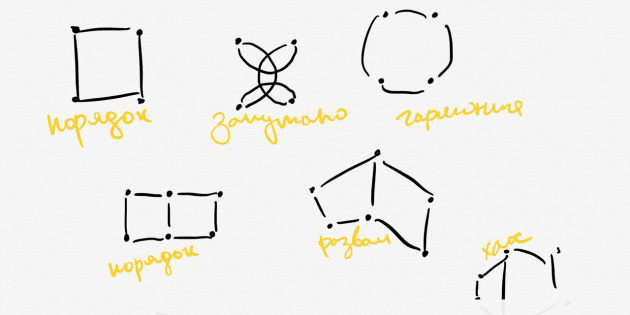
Edward Tufte, an information presentation expert, spoke about signal and noise. In design, we remove clutter like awkward diagrams or messy tables to highlight the signal; editing applies the same principle by cutting excess content.

— Before graduating, you made a list of dream employers. Who was on it and who did you choose?
— Standard options like Yandex and Artemy Lebedev Studio. I repeatedly sent test tasks to Yandex without response and also to Lebedev Studio unsuccessfully. Artem Gorbunov was the first to reply.
— Did you get hired at Gorbunov’s bureau immediately?
— No, initially I wasn’t accepted as even an intern. Later, I was offered some preliminary work rewriting and translating small text pieces for a film website. I started contributing ideas and eventually joined the Infograms project, creating flash infographic widgets for news sites. I also wrote tips for the bureau’s website and helped develop a course.
— What key insights did you gain working with Artem?
— Artem was about five years ahead professionally. He emphasized understanding the task before starting work. Initially, I resisted filling out task briefs, thinking it was formalism, but now I appreciate that defining the task is the most complex and crucial part of any project.
Another vital lesson was client communication. Artem knew how to create a cooperative dialogue rather than a confrontational one. I struggled with this at first and still continue learning.
Editorial Salaries and the Importance of Diversification
— How much can an editor earn and what factors influence this?
— At companies like Yandex, Google, and Mail.ru, editors earn between $1,000 and $2,200 monthly. Chief editors who manage teams can negotiate salaries around $2,700 to $3,300. Media managers in telecom, focusing more on management than content, can earn up to $6,600 per month.
I dislike working exclusively for one company because it limits exposure and narrows perspective, which can be detrimental professionally. Also, salary caps exist; for instance, once you reach a certain level at Yandex, further raises are rare without moving into higher management.
Working on multiple projects frees you financially. For example, charging $1,300 per project and handling four simultaneously can significantly increase income.
— Do you charge that much?
— I avoid projects where the client isn’t willing to pay over $1,300 for text, as that usually indicates secondary importance. I prefer larger projects like full websites or series of texts, which can cost several thousand dollars depending on scope and duration.
Some editors take on smaller tasks like landing pages for $400–$700, doing multiple per week to earn a decent monthly income. However, this requires intense effort; earning $5,200 per month means completing about eight $650 projects, which is tough. The idea that editorial work brings effortless money is a misconception.
— What’s the highest fee you’ve received for a single text?
— The highest was about $200 for a special article in Tinkoff Journal.
— You emphasize independence over stability, but many value steady income. How do you reconcile this?
— It’s scary, especially early on when you need to cover rent and living expenses. I supplemented my income by teaching English, ensuring I had enough lessons booked weekly to feel secure. If students dropped out, I’d find new ones online.
I still monitor workload and seek new projects as needed. There are many ways to find work if you’re competent and useful.
Initially, I was financially unstable, relying on credit cards with increasing limits as a buffer. I recently closed my last card, realizing it was unnecessary overhead.
Editorial Trends and the Power of Visual Storytelling
— What editorial trends are most relevant now?
— There are trends and then there’s the right direction. Currently, personal branding on Instagram, simplistic storytelling, and exaggerated self-promotion dominate. Many courses teach these methods, often recycling old ideas. I don’t criticize, but I disagree with some editorial principles they promote. Still, diversity in courses is beneficial; people learn through experience.
— What’s the benefit of this “noise”?
— These courses attract people to the editorial field. For example, a presenter might mention the book "Write, Shorten" as a key resource, leading learners to discover our Editor School and become skilled professionals. This openness is better than the early 2000s when editors were marginalized and isolated.
— What is the right direction you mentioned?
— Visual storytelling. Our focus on text began when the internet was slow and images expensive. Now, images and text cost the same to deliver. Those mastering visuals, presentation, and narrative structure gain attention. We recently launched a course called "Write and Seduce" dedicated to this.
Common Editorial Mistakes and Growth
— What mistakes do editors often make?
— The main mistake is trying to persuade the reader directly. Instead, the reader should arrive at conviction independently. Many ads describe products without showing them or the people using them. Articles about health often lecture rather than illustrate with stories or scenarios. This top-down approach alienates readers.
— Which of your own texts do you consider the weakest?
— Sometimes my early advice was too maximalist or ventured into areas I wasn’t expert in. I often revisit old tips and find them poorly written, though I believed in them then.
One notable misstep was dismissing sales tactics like discounts and timers without evidence. Later, I used these methods myself and saw their effectiveness, which shifted my perspective.
Balancing Work Intensity and Passion
— You reportedly work 14-hour days and sometimes sacrifice sleep for projects. How do you sustain this?
— Usually, after working, I feel like switching to music rather than sleeping. Every task brings me joy because I’m organizing and creating meaning. It’s like tidying a messy room; that satisfaction is constant. Transforming a poorly written text into something beautiful is incredibly rewarding.
On Criticism and Editorial Philosophy
— Have you had a moment when you felt truly confident as an editor?
— Yes, during my first year, I called myself the chief editor of the Russian internet. But after learning about chief editors’ salaries in glossy magazines, I realized I wasn’t there yet. That humbled me and refocused my priorities.
— Do you measure success only by income?
— Not entirely, but money is a clear metric to understand your position. Fame is fleeting and impractical; respect doesn’t pay bills.
— Why did you decide to teach courses at the bureau?
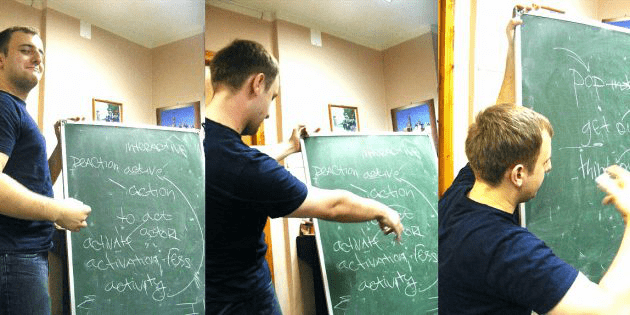
— We had unique knowledge to share. I never felt entitled to teach, but if people are interested, I’m happy to share my skills and experience. They can decide if it’s useful.
— What do your courses cover and what is the cost?
— I teach two in-person courses: "Information Style" and "Write and Seduce," priced between $520 and $650 per person.
"Information Style" helps students streamline text, write concisely, structure content clearly, and create effective advertising.
I also run a newsletter called "Working with Clients for Editors," with around 40 emails detailing client relations and task comprehension. It’s very impactful and often more appreciated than my editing lessons.

— Some critics say your graduates are too uniform and that information style strips texts of soul and impoverishes language. Why do you think this reaction exists?
— Usually, this comes from journalists whose livelihoods depend on traditional writing styles. The information style promotes simplicity and clarity, which can devalue elaborate, authorial prose. While non-editors appreciate this clarity, traditionalists feel threatened.
— What about claims that information style kills the soul of the text?
— The reader decides what they want. For official or commercial texts, clarity and precision trump emotional depth. People often confuse graphomania with editing. Style is about how you express and argue ideas, not fancy words.
Critics of information style for banning filler words are often poor editors. For example, criticizing Tesla for lacking an exhaust pipe misses the point—it’s a feature, not a flaw.
— Is information style a universal solution?
— It provides purpose and clarity, which many overlook. Depending on the goal, texts may include humor or propaganda elements. Without understanding the text’s purpose, discussions are amateurish or provocative.
Subjectivity has no place in text evaluation; only the task matters. You wouldn’t want a loan agreement written as a lyrical story. Conversely, entertaining texts require literary devices.
— Recently, Luda Sarycheva launched editorial courses. Do you see her as competition?
— I consider all editorial course creators as competitors. Competition drives growth and innovation. It’s good to have multiple options for learners.
I attend various editorial courses myself to gain new perspectives. It’s better to have diverse instructors than a monopoly.
— Is completing courses necessary to become a good editor?
— Not at all. Mastery comes through practice. Reading my advice and applying it consistently can make you skilled, but it requires discipline and deadlines. Without external motivation, progress is slow.
Structured programs like the Editor School provide that necessary push. I personally need such an environment to learn and complete exercises.

Making Decisions You Can Stand By
— Your graduates often continue working at Tinkoff Journal. What is your current role there?
— We restructured in December, eliminating the chief editor role. Now, each magazine section has its own lead, and I hold the humorous title "The Cleaner." I initially helped with new sections but now mostly consult on news and special projects.

— You also manage the programming project "Code." What are your responsibilities?
— As chief editor of "Code," I’m involved daily with articles and news. Only two of us handle article texts. Initially, I wrote materials but realized editing suits me better. We aim to make programming accessible to beginners, combating the snobbish jargon often used by programmers.
— Describe your workspace.
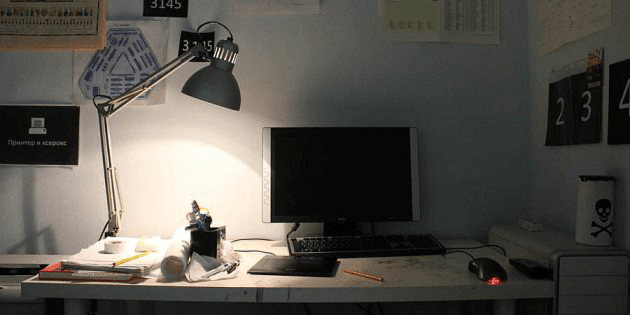
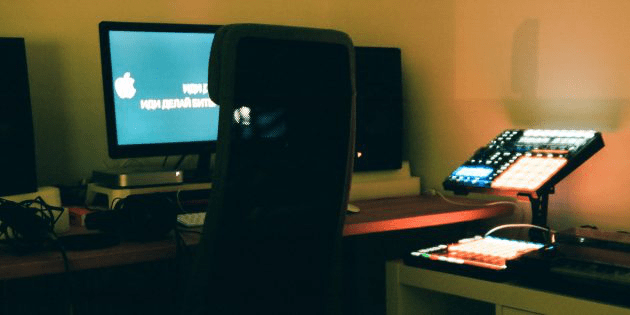
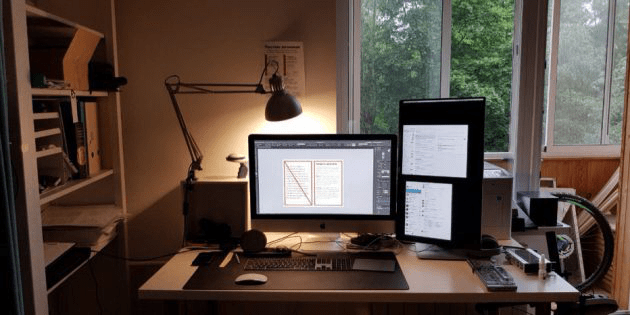
— I work from home in a room with music equipment on one side and my computer on the other, overlooking a courtyard. I use two monitors—an iMac and a vertical secondary screen—for email and chats. Standard gear includes a keyboard, iPhone charger, and trackpad.
— Which applications help streamline your work?
— I prefer minimizing the number of services and apps, as each new tool can cause more problems than it solves. The only program I consistently use across computers is Alf.
Discover the latest news and current events in Career Opportunities and Education Jobs as of 10-04-2022. The article titled " Inside the Creative World of Maxim Ilyakhov: Editor and Founder of Glavred " provides you with the most relevant and reliable information in the Career Opportunities and Education Jobs field. Each news piece is thoroughly analyzed to deliver valuable insights to our readers.
The information in " Inside the Creative World of Maxim Ilyakhov: Editor and Founder of Glavred " helps you make better-informed decisions within the Career Opportunities and Education Jobs category. Our news articles are continuously updated and adhere to journalistic standards.