

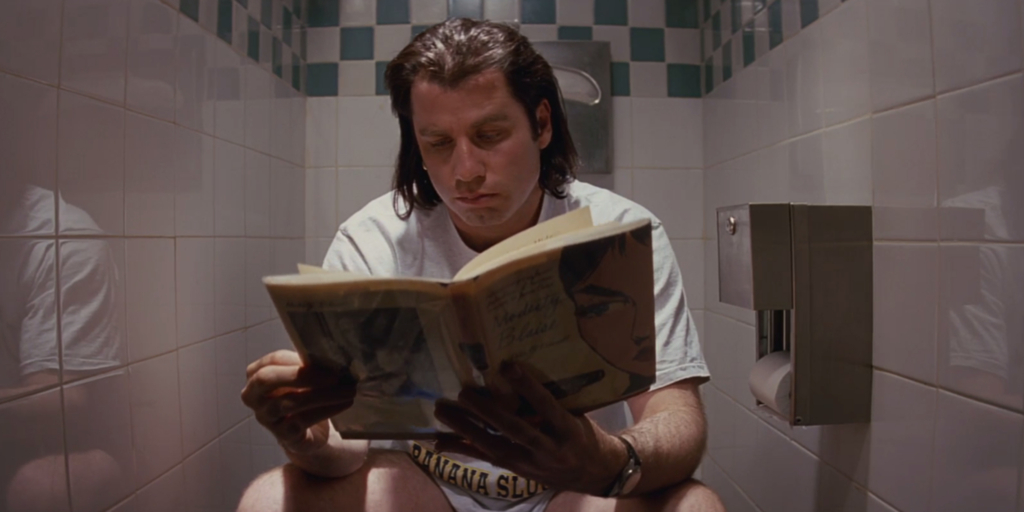

How to Distinguish Harmful Reading from Valuable Information
Learn to identify misleading content and shallow thoughts to maximize the benefits of your reading and protect your mind from information overload.
As you dive into article after article and book after book, it’s essential to stay vigilant: not all reading material benefits your mind equally. This guide will help you recognize which information is worth your time and which is simply cluttering your mental space.
What Is Information Fast Food and Why Is It Harmful?
Just as the food you consume impacts your body’s health, the books and articles you read shape your brain’s performance.
We increasingly fill our minds with literary junk food—content that offers little real value. You might not notice its negative effects immediately, just as unhealthy food doesn’t ruin your stomach overnight. But over months and years, this poor-quality information leads to a dangerous buildup of ignorance.
Imagine your brain as a library. Pay close attention to three key aspects:
- The accuracy and importance of the information you store;
- Your ability to retrieve that information when needed;
- Your skill in applying it effectively.
There’s no point in hoarding knowledge if you can’t find or use it when it matters.
Information junk food acts like a drug. It relaxes your brain and offers a fleeting sense of satisfaction, but the more you consume, the more you crave. This vicious cycle leaves your mind craving more but gaining nothing valuable.
Ultimately, this mindless consumption costs you precious time.
To avoid falling into this trap, it’s crucial to filter your information carefully and understand the filters it has already passed through.
The Problem of Distorted Information
Negative filters are everywhere. The 'broken telephone' effect is real.
Consider a manager six levels above a frontline employee. Information passing through these layers often becomes distorted, making it unreliable for sound decision-making.
A wise leader acknowledges this and seeks more detailed, current, and objective data from those closest to the issue.
Another challenge is our tendency to rely on snippets—quotes, summaries, reviews, or references—taken out of context. These fragments can be deceptive.
Though they may boost our confidence or make us appear smarter, shallow knowledge is fragile and easily dismantled.
Sadly, many settle for this superficial understanding, rarely catching themselves or others when sharing misinformation.
As a result, we often make decisions based on illusions of knowledge, sometimes subconsciously, leading to poor outcomes.
How to Identify Worthwhile Reading
Here’s a simple principle to help decide what belongs in your mental library: pass information through two essential filters:
- Time;
- Details.
The first filter assesses how relevant the information is to the present moment and how long it will remain valuable—minutes, months, or years? If it’s unlikely to stay important, consider discarding it immediately.
One way to test if information stands the test of time is by evaluating its details.
Details are like potent vitamins for your reading diet.
Learn from experts in their fields. Your best filter is a discerning mind that trusts information from those who truly understand their subject.
To gauge competence, look for depth in the storyteller’s details. Some shallow articles are intentionally simple for broad audiences, but often, the author simply lacks deep knowledge. References to multiple sources indicate careful filtering and credibility.
Almost all “fast food” style articles fail these filters.
Remember, it’s never too late to improve your information diet. By reading more quality works from reputable authors, you’ll sharpen your taste for genuine ideas and develop an automatic internal filter. Soon, you’ll instantly recognize low-quality reading versus nourishing content for your brain.
Discover the latest news and current events in Life Transformation as of 29-05-2021. The article titled " How to Distinguish Harmful Reading from Valuable Information " provides you with the most relevant and reliable information in the Life Transformation field. Each news piece is thoroughly analyzed to deliver valuable insights to our readers.
The information in " How to Distinguish Harmful Reading from Valuable Information " helps you make better-informed decisions within the Life Transformation category. Our news articles are continuously updated and adhere to journalistic standards.