

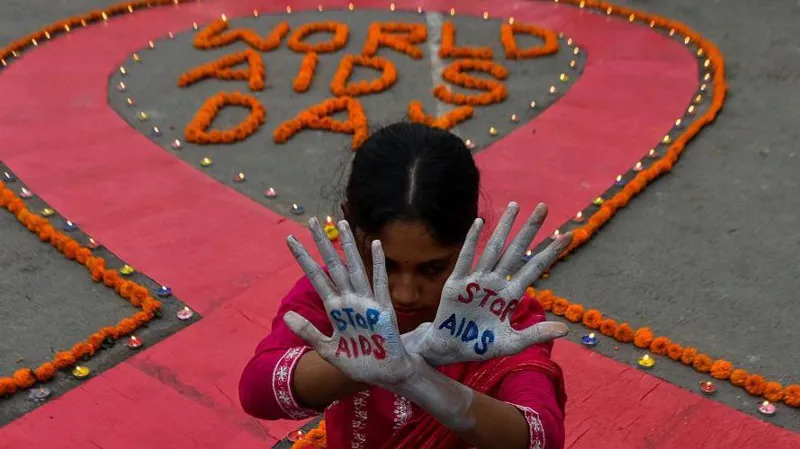

Five Thalassemia Patients in Madhya Pradesh Test HIV Positive
Five children with thalassemia in central India’s Madhya Pradesh test HIV-positive after blood transfusions, prompting a review of transfusion safety and stronger regulation.
In central India, five children with the hereditary blood disorder thalassemia have tested HIV-positive after receiving blood transfusions. The cases have raised questions about blood safety and prompted authorities to launch a formal review of how blood is collected, screened, and used in medical care.
What happened
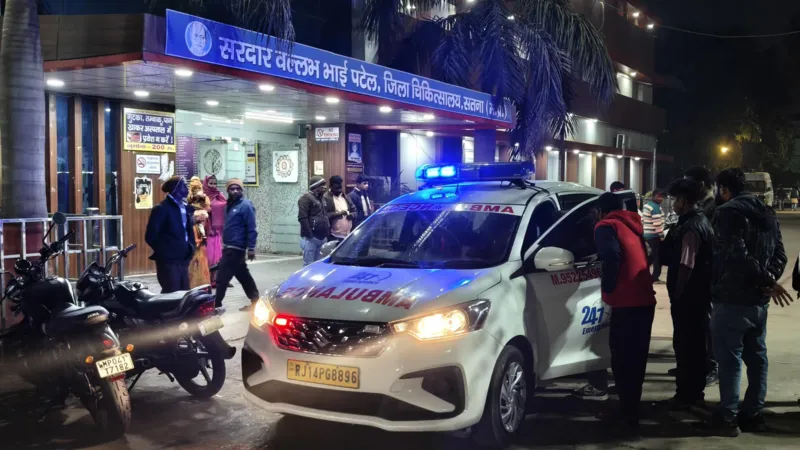
In Satna district, the children, aged 3 to 15, received transfusions from multiple donors at different facilities, including both government hospitals and private clinics. HIV was detected during routine screening between January and May 2025, and a government-appointed panel was formed to investigate the situation.
Officials noted that in one case, both parents of a three-year-old are HIV-positive; in others, the parents tested negative, which rules out mother-to-child transmission.
Safety measures and responses
Health workers say every unit of donated blood undergoes testing under national rules and is released only after a negative result. However, late-stage HIV infection in donors can sometimes escape initial screening and be detected later.
All affected children are now receiving treatment and are reported to be stable. The district’s chief medical and health officer notes that children who require multiple transfusions are at higher risk and are routinely screened for HIV.
Official responses and safeguards
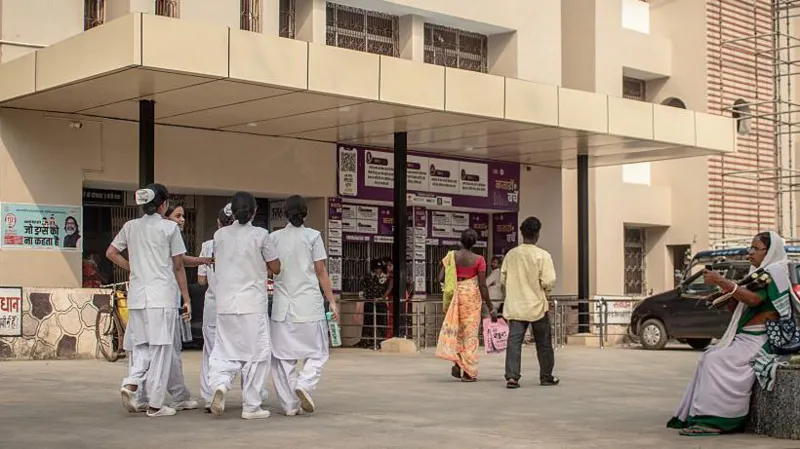
The Madhya Pradesh government is reviewing transfusion practices across both public and private facilities. A recent case in the neighboring state of Jharkhand led to suspensions at a state hospital and heightened calls for tighter screening. The government has offered financial aid of ₹200,000 per affected family, roughly £1,655, to help cover medical costs and support for families.
Context and history
Cases of HIV transmission via blood transfusion have appeared before in India. A notable incident in Gujarat in 2011 led to an official inquiry and policy changes. Health activists are pressing parliament to pass the National Blood Transfusion Bill 2025 to strengthen rules on blood collection, testing, and transfusion.
The human impact
Many families in both rural and urban areas worry about social stigma and access to care. Some parents report facing discrimination, while others describe difficulties in obtaining consistent health services for their children.
Experts emphasize that safeguarding transfusion practices is essential for children who rely on regular blood support and that improvements in screening can significantly reduce risk.
Expert commentary
Gaps in donor screening must be addressed quickly to prevent future cases. Strengthening testing and enforcement can protect vulnerable patients who depend on transfusions.
Summary
Five children in Madhya Pradesh with thalassemia have HIV after transfusions, triggering a formal inquiry and renewed focus on blood safety. Families receive financial support, and officials emphasize ongoing treatment and monitoring. The incident echoes past cases in India and underscores the push for stronger regulation under the National Blood Transfusion Bill 2025.
Key insight: Strengthened screening and strict regulation of blood transfusion are vital to protect vulnerable patients who rely on regular transfusions. BBC News
Discover the latest news and current events in World News as of 19-12-2025. The article titled " Five Thalassemia Patients in Madhya Pradesh Test HIV Positive " provides you with the most relevant and reliable information in the World News field. Each news piece is thoroughly analyzed to deliver valuable insights to our readers.
The information in " Five Thalassemia Patients in Madhya Pradesh Test HIV Positive " helps you make better-informed decisions within the World News category. Our news articles are continuously updated and adhere to journalistic standards.