

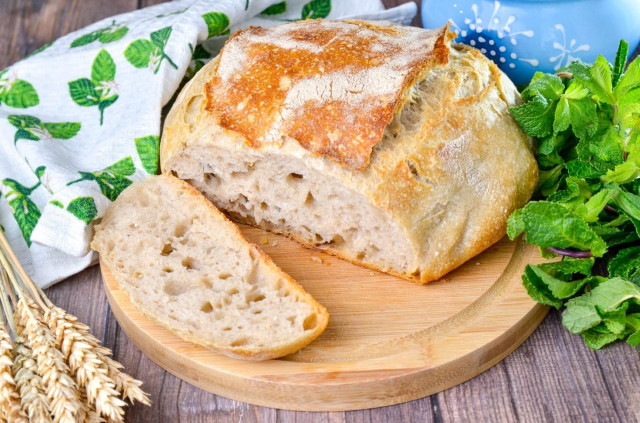

Discover the Art of Baking Soft Wheat Bread with Rye Sourdough
Explore the secrets to baking irresistibly fluffy wheat bread using a natural rye sourdough starter. This step-by-step guide offers expert tips, optional add-ins like caraway seeds and coriander, and baking techniques that yield a flavorful, low-acidity loaf perfect for any occasion.
Once you taste this wheat bread made with a rye sourdough starter, one slice just won't be enough! This bread boasts a tender crumb, balanced acidity, and delightful flavor. Customize your loaf by adding caraway seeds, sunflower kernels, or coriander for an extra aromatic touch. Whether you prefer baking it free-form or in a loaf pan, the result is always satisfying.
Step-by-Step Baking Guide
Total preparation time: approximately 19 hours
Step 1:

Begin by gathering your ingredients. Ensure your rye sourdough starter is at its peak—meaning it has been fed recently and has doubled in size. For added flavor, consider mixing in caraway seeds, sunflower kernels, or coriander. While this recipe uses a Dutch oven for baking, you can also use a baking sheet covered with a cloche or a steam tray.
Step 2:

Prepare the sponge by combining the rye starter with 75 grams of whole rye flour and 70 ml of room temperature water. Stir well to form a thick batter. Avoid sifted rye flour as it tends to produce bread lacking in aroma and depth.
Step 3:
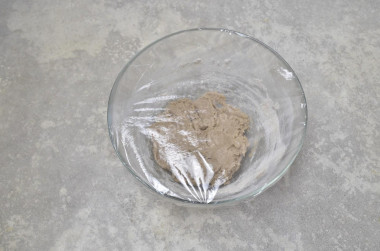
Cover the bowl with plastic wrap and let the sponge ferment at room temperature for 14 to 16 hours. Plan your baking schedule accordingly.
Step 4:

After fermentation, the sponge will be slightly looser and bubbling actively—an excellent sign of readiness.
Step 5:

Transfer the sponge to your mixer bowl, add room temperature water and salt, and include any optional seeds or spices. Pour in all the wheat flour. If you don't have a planetary mixer, knead by hand or use a stand mixer with dough hooks. Hand kneading takes about 15-20 minutes until the dough is smooth and uniform.
Step 6:

Start mixing at low speed to hydrate the flour evenly. Adjust by adding flour if the dough feels too wet, or water if too stiff. Mix for 2-3 minutes, then increase speed to medium and knead until the dough forms a cohesive ball that wraps around the hook, typically 6-7 minutes. Times may vary depending on your mixer’s power.
Step 7:
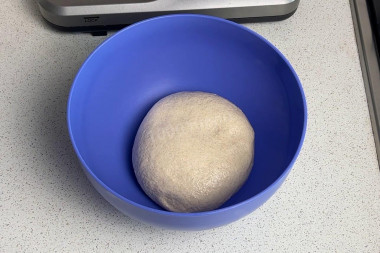
Lightly oil your work surface, shape the dough into a smooth ball, and place it in a clean bowl. Cover with a lid or plastic wrap and let it ferment for 2.5 hours at an ideal temperature between 77°F and 80°F (25-27°C).
Step 8:

During this bulk fermentation, perform two stretch-and-folds approximately 50 minutes apart. To do this, transfer the dough to a lightly floured or oiled surface, gently stretch one edge, and fold it toward the center.
Step 9:
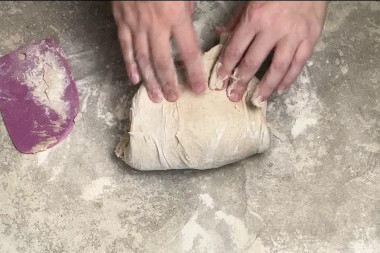
Repeat this folding process on the opposite side and then the remaining two sides. Return the dough ball to the bowl seam-side down. These folds help release excess carbon dioxide, equalize dough temperature, and strengthen the gluten network.
Step 10:

After 2.5 hours, the dough should noticeably increase in volume.
Step 11:

Place the dough on a lightly oiled or floured surface again. Shape it into a tight ball by folding edges inward and pinching the seams. Flip it so the seam is down and gently pull the edges underneath to create surface tension.
Step 12:
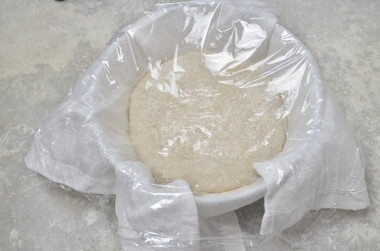
Transfer the dough to a bowl lined with a linen or cotton towel dusted with flour, placing the smooth side down. Lightly dust the top with flour and cover with plastic wrap.
Step 13:

Allow the dough to proof for an additional 2 hours. It will rise again, and when pressed, the indentation should slowly bounce back within 5 to 7 seconds.
Step 14:
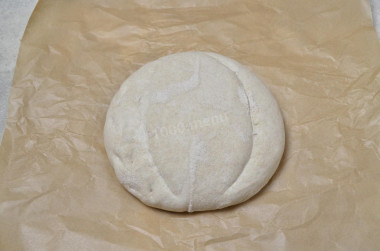
About 30 minutes before the proofing time ends, preheat your oven to 480°F to 550°F (250°C to 280°C). Place your Dutch oven inside to heat thoroughly. Gently invert the dough onto parchment paper and score the surface with a sharp blade.
Step 15:

Carefully transfer the dough with parchment into the hot Dutch oven, cover with the lid, and bake for 15 minutes at the high temperature. Then, remove the lid, reduce the oven temperature to 390°F (200°C), and bake for an additional 15 to 20 minutes until the crust is golden and crisp. Oven performance varies, so adjust baking time as needed. Once done, remove the bread and cool it on a wire rack.
Step 16:

Slice the bread once it’s fully cooled or slightly warm. Note that sourdough bread offers a unique texture and flavor profile distinct from commercial yeast breads. Enjoy your homemade masterpiece!
Discover the latest news and current events in Cake & Dessert Recipes as of 05-11-2024. The article titled " Discover the Art of Baking Soft Wheat Bread with Rye Sourdough " provides you with the most relevant and reliable information in the Cake & Dessert Recipes field. Each news piece is thoroughly analyzed to deliver valuable insights to our readers.
The information in " Discover the Art of Baking Soft Wheat Bread with Rye Sourdough " helps you make better-informed decisions within the Cake & Dessert Recipes category. Our news articles are continuously updated and adhere to journalistic standards.