


Afcon 2025: Can Morocco seal home glory and African dominance?
Morocco hosts Afcon 2025 aiming to end a 50-year wait for Africa’s top prize, backed by world-class facilities, a rising generation, and strong home support.
Morocco hosts the Africa Cup of Nations in 2025 with a long-term plan to establish itself as Africa’s football powerhouse.
After not winning the continental title since 1976, the Atlas Lions look to translate years of progress into success on home soil, capitalising on a strong squad and a confident home crowd.
Midfielder Sofyan Amrabat spoke about the pride of wearing the Moroccan shirt and the excitement of playing at home, hopeful this edition will belong to the country.
The challenge is clear: win Afcon in front of a nation eager for glory and proof that Morocco’s football evolution is for real.
The road to hosting and the dream
Morocco’s recent milestones have raised expectations: a record-breaking run of results on the global stage, including a FIFA World Cup semi-final in Qatar—the first by an African nation—and podium finishes by youth teams in Olympics and world championships. All of this feeds the belief that Afcon 2025 could be the moment to lift Africa’s crown.
Analysts say the home tournament adds extra pressure but also a unique opportunity to showcase Morocco’s growth, both on and off the pitch.
Infrastructure behind the ambition
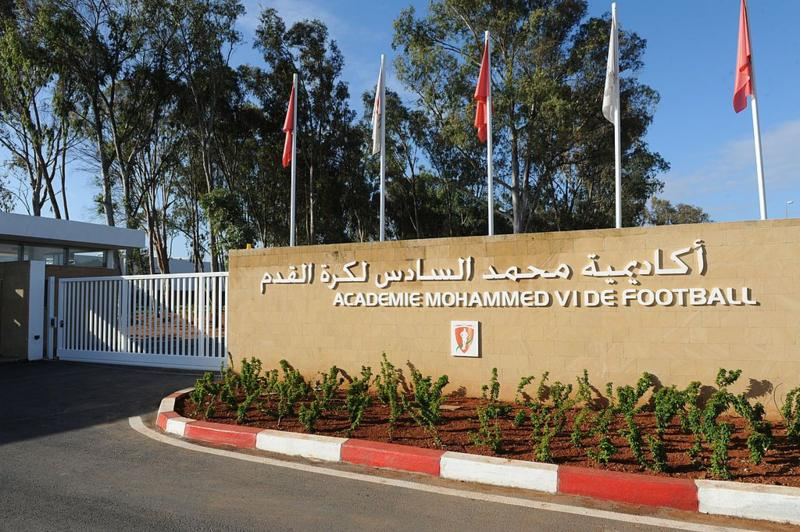
To support this rise, the country invested heavily in football facilities, led by two flagship sites named after King Mohammed VI. The Mohammed VI Football Academy and the Mohammed VI Training Complex serve national teams at all levels, combining top coaching with education, accommodation, and sports science. The complex opened in 2019 and is part of a broader plan started in 2008, with the academy first welcoming players in 2009.
The investment totals around £48.5 million, underscoring a deliberate national strategy to create a steady talent pipeline for domestic clubs and the senior national team.
Experts emphasise this was no accident: it was a long-term project backed by top government and royal support to uplift football as a driver of social and economic development.
Home advantage and the squad
Morocco head into Afcon as strong favourites, thanks to a string of impressive results — 18 consecutive wins dating back to March 2024 — and a potent attack with a solid defensive record. The team features goalkeeper Yassine Bounou, creative midfielder Brahim Diaz, and captain Achraf Hakimi, who has been named African Player of the Year. Hakimi’s fitness is a key concern after an ankle injury in a recent clash, and coach Walid Regragui has warned that the squad will adapt if necessary, though the aim is to have him fully ready.
For many players, playing at home is a powerful motivator. Amrabat described the moment as deeply emotional and said the players want to deliver joy to fans, especially with the home venue advantage in their favour.
Ethos and expectations are rising. Jalal Bounouar, a football analyst, notes that lifting Afcon would complete a long-running national project, emphasizing the value of a strategic, years-long approach behind Morocco’s ascent.
Public sentiment, youth, and national progress
The football surge has broadened beyond the men’s national team. The Atlas Lionesses have reached consecutive Women’s Cup of Nations finals on home soil, with Ghizlane Chebbak earning Africa’s Player of the Year. Yet the country also faces questions about resource allocation. In recent years, younger generations have called for greater social investment — such as hospitals — instead of expanding stadiums, reflecting a broader debate about national priorities.
Despite differing views, many Moroccans view football as a unifying national project that boosts grassroots participation and enhances the country’s global profile, while opening doors for more girls to play the sport.
Expert view
Expert comment: Jalal Bounouar highlights that Morocco’s Afcon bid is underpinned by a sustained, strategic plan that puts the country in a strong position to claim Africa’s crown on home turf, after years of deliberate growth.
Summary
Morocco’s football ascent stems from strategic planning, strong government backing, and world-class training facilities that feed a growing talent pool. As Afcon 2025 unfolds on home soil, the nation aims to end a 50-year wait for Africa’s championship and crown its domestic development with continental glory.
In short, the home event is a testing ground for a long-term national project that seeks to balance sporting success with social and economic development.
Key insight: Morocco’s rise in football is built on deliberate infrastructure investment and a robust youth pipeline, now tested by Afcon 2025 at home. Source
Discover the latest news and current events in Sports News as of 19-12-2025. The article titled " Afcon 2025: Can Morocco seal home glory and African dominance? " provides you with the most relevant and reliable information in the Sports News field. Each news piece is thoroughly analyzed to deliver valuable insights to our readers.
The information in " Afcon 2025: Can Morocco seal home glory and African dominance? " helps you make better-informed decisions within the Sports News category. Our news articles are continuously updated and adhere to journalistic standards.