

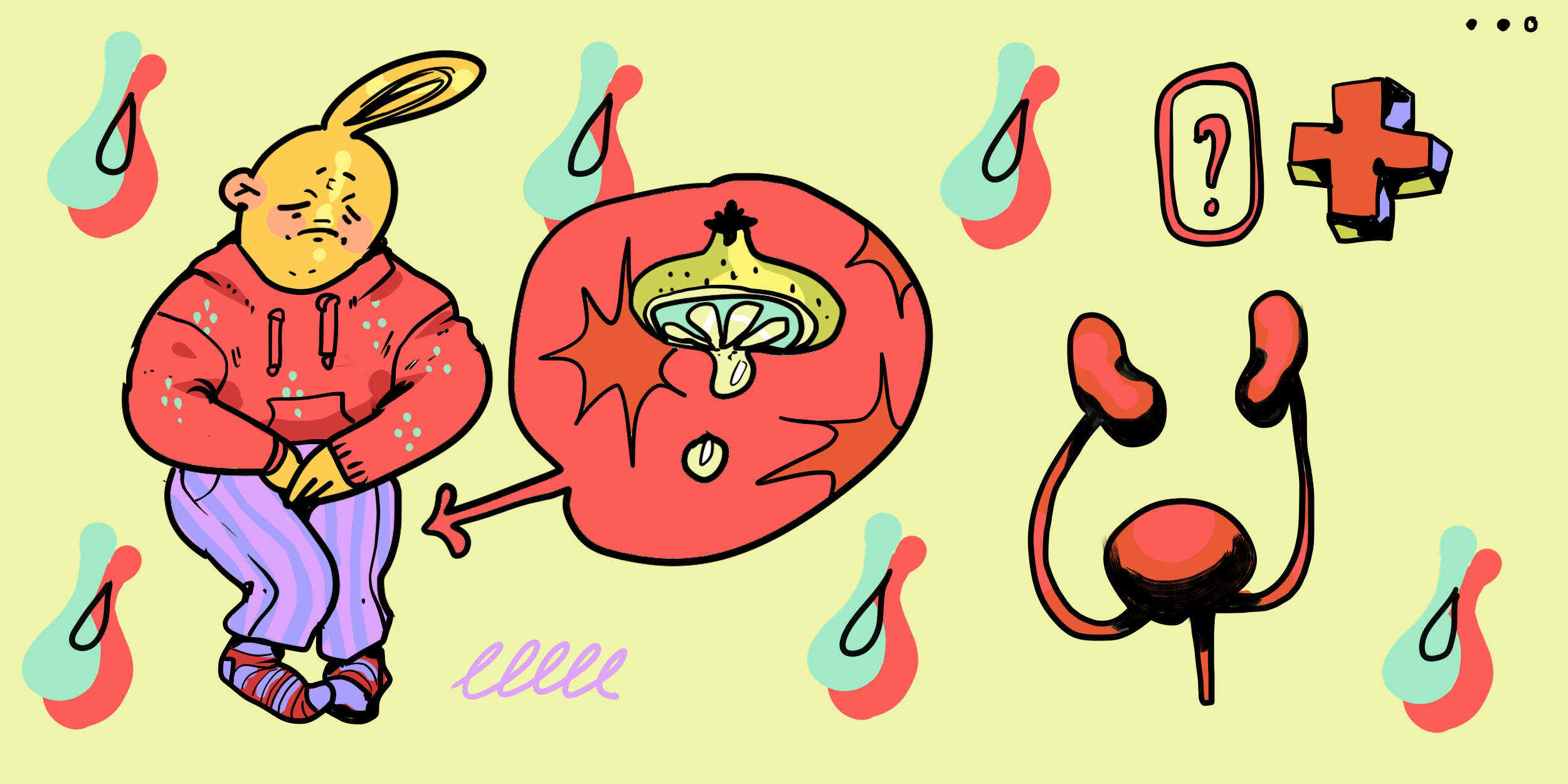

Understanding Urinary Tract Infections: Causes, Symptoms, and Effective Treatments
Urinary tract infections (UTIs) are inflammatory conditions triggered when harmful microorganisms invade the urethra, bladder, ureters, or kidneys, causing discomfort and potential health risks.
If you frequently feel the urge to urinate accompanied by a fever, it might be time to consult a healthcare professional.
Prefer listening? Tune into our podcast for an audio version of this article.
What Are Urinary Tract Infections?
Urinary tract infections (UTIs) are inflammatory diseases caused when microorganisms enter parts of the urinary system such as the urethra (urethritis), bladder (cystitis), ureters, or kidneys (pyelonephritis). Women are about four times more likely to develop UTIs compared to men, although infection rates in men increase after the age of 50.
How Do Urinary Tract Infections Develop?
Most UTIs are triggered by Escherichia coli bacteria commonly found in the intestines. In women, the urethral opening is located close to the anus, making it easier for bacteria to enter. Additionally, the short length of the female urethra allows microbes to quickly reach the bladder. Sexually transmitted infections (STIs) such as chlamydia, gonorrhea, herpes, or mycoplasma can also cause inflammation due to this anatomical feature.
In men, E. coli can also enter the urethra from the rectum, but UTIs often develop secondary to chronic prostatitis. An enlarged prostate can compress the bladder neck, preventing proper urine flow. This urinary retention creates an environment conducive to bacterial growth and infection of the urinary tract.
Risk Factors Increasing UTI Susceptibility
UTIs are more likely to occur under the following conditions:
- Frequent changes in sexual partners, increasing the risk of contracting STIs.
- Use of certain lubricated contraceptives such as condoms, diaphragms, or spermicides, which may spread bacteria due to friction.
- Menopause, which reduces estrogen production, weakening the urinary tract’s tone and the healthy vaginal microbiome, thus increasing vulnerability to infections.
- Kidney stones that obstruct urine flow, raising infection risk.
- Weakened immune system, such as in diabetes or immune disorders, reducing natural defenses against microbes.
- Congenital urinary tract abnormalities causing urine stagnation due to structural narrowing or twisting.
- Use of urinary catheters in bedridden patients, which can introduce bacteria into the bladder.
- Urinary tract surgeries, which carry a risk of infection.
Recognizing Symptoms of Urinary Tract Infections
Symptoms may not always be obvious, especially in elderly individuals where UTIs can be asymptomatic. However, most people experience dysuria symptoms, including:
- Persistent urge to urinate.
- Burning sensation during urination.
- Frequent urination with small volumes.
- Cloudy urine with a foul odor.
- Urine appearing red, pink, or dark like cola, indicating blood presence.
Additional symptoms depend on the affected urinary tract section:
Urethritis
Infection of the urethra usually causes dysuria and occasionally discharge from the urethral opening. Fever and malaise are typically absent.
Cystitis
This is bladder inflammation, often accompanied by pelvic or suprapubic pain, discomfort, and sometimes blood in the urine. Generally, it does not severely impact daily activities.
Pyelonephritis
Kidney infection causes intense pain in the lower back or flank area, fever, and chills. It may also be accompanied by nausea and vomiting.
Potential Complications of Urinary Tract Infections
UTIs can lead to several serious health issues:
- Progression to chronic infection if untreated, especially with repeated episodes (two or more in six months or four in a year).
- Kidney damage from pyelonephritis, potentially resulting in acute or chronic renal failure, which can be life-threatening.
- Formation of abscesses near the kidneys. In severe cases, bacteria may enter the bloodstream causing sepsis, a potentially fatal condition.
- Pregnancy complications, including low birth weight and premature delivery if UTIs occur during pregnancy.
- Urethral stricture in men due to recurrent urethral inflammation causing connective tissue overgrowth and narrowing.
Steps to Take When Experiencing UTI Symptoms
Consult a primary care physician who may perform initial diagnostics or refer you to a urologist.
Diagnostic methods include:
- Urinalysis to detect white and red blood cells and bacteria, confirming inflammation.
- Urine culture to grow bacteria colonies and identify their type and antibiotic sensitivities.
- Imaging studies such as ultrasound, CT scan, or MRI to evaluate urinary tract anatomy.
- Cystoscopy, an internal examination of the bladder using a thin flexible tube with a camera.
Effective Treatment Options for Urinary Tract Infections
Antibiotics are prescribed to eliminate bacterial infections. Over-the-counter pain relievers may be recommended to alleviate symptoms.
Severe infections may require hospitalization with intravenous antibiotics.
For recurrent UTIs, doctors might prescribe a low-dose antibiotic regimen lasting six months.
Sexually active women may receive a single dose of antibiotics after intercourse, and menopausal women might benefit from estrogen therapy.
Preventative Measures to Avoid Urinary Tract Infections
The Mayo Clinic research center advises the following:
- Stay well-hydrated, especially with water, to dilute urine and increase urination frequency, flushing out bacteria.
- Consume cranberry juice, which acidifies urine and inhibits bacterial growth, lowering infection risk.
- Maintain proper hygiene by wiping from front to back after urination and bowel movements.
- Empty the bladder immediately after sexual activity to flush out potential bacteria.
- Avoid irritating feminine hygiene products, douching, or powders that may disrupt the natural balance.
- Consider changing contraceptive methods if diaphragms, lubricated condoms, or spermicides trigger infections.
Explore useful articles in Healthy Lifestyle & Wellness as of 29-04-2022. The article titled " Understanding Urinary Tract Infections: Causes, Symptoms, and Effective Treatments " offers in-depth analysis and practical advice in the Healthy Lifestyle & Wellness field. Each article is carefully crafted by experts to provide maximum value to readers.
The " Understanding Urinary Tract Infections: Causes, Symptoms, and Effective Treatments " article expands your knowledge in Healthy Lifestyle & Wellness, keeps you informed about the latest developments, and helps you make well-informed decisions. Each article is based on unique content, ensuring originality and quality.