



Master the Art of Argument: Timeless Strategies to Win Every Debate
Discover proven techniques inspired by Arthur Schopenhauer to sharpen your debating skills and confidently win any argument.
Mastering the art of argument is a skill that anyone can and should develop. One of the most insightful guides on persuasive techniques was authored by Arthur Schopenhauer, who detailed clever strategies that significantly increase your chances of winning a debate when applied correctly.
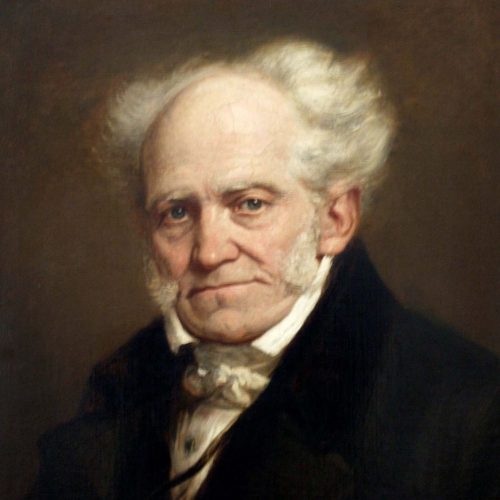
Arthur Schopenhauer
A renowned German philosopher, Schopenhauer introduced original idealistic doctrines in his seminal work, "The World as Will and Representation." Beyond academic philosophy, he was known for his sharp wit and countless life aphorisms. Contemporaries praised his unmatched quick thinking during conversations, where he often initiated debates and emerged victorious.
The Essence of Argument
Though Schopenhauer primarily explored fundamental philosophical issues, he was equally interested in practical everyday matters. In his work "Eristics, or The Art of Winning Arguments," he meticulously analyzed the debate process and presented numerous clever tactics that, when properly employed, greatly enhance the likelihood of triumph.
But what exactly constitutes an argument and victory within it? Schopenhauer distinguishes between the pursuit of objective knowledge and ordinary verbal disputes. Winning a debate doesn’t necessarily mean the truth prevails. You can defend an entirely false viewpoint, yet if your arguments sound convincing, you can easily claim victory.
Every argument boils down to refuting the opponent’s thesis. This can be done by either demonstrating its inconsistency with reality or pointing out contradictions with other statements made by your opponent.
Effective Tactics to Win Any Debate
1. Frame Your Opponent’s Statements Within a Broader Context That Contradicts Them
Example:
A: "Donald Trump’s victory will benefit us greatly."
B: "No, because Trump is a politician—and everyone knows politicians are deceitful. How can such a person bring any benefit?"
Here, opponent B expanded the term "president" to "politician," associating it with dishonesty.
2. Use the Same Word in Different Senses
Example:
A: "I won’t work because work makes me unhappy."
B: "A man must earn well and be successful. You’re a man, so go to the office."
Opponent B redefined "man" by attaching societal expectations, shifting the meaning to fit their argument.
3. Treat Relative Judgments as Absolutes
Example:
A: "I dislike uneducated people but like rock musicians."
B: "Many uneducated people compose great rock music."
Respond by clarifying: "I dislike uneducated people because I find no common ground to converse, but I like rock musicians because of my love for the genre. There’s no contradiction."
4. Overwhelm Your Opponent with Questions to Distract Them
When defending your position, argue quickly so your opponent focuses on your speech instead of analyzing your logic.
5. Irritate Your Opponent
An angry opponent struggles to reason clearly.
6. Conceal the True Purpose Behind Your Questions
Often, you seek specific answers to later trap your opponent. For example:
A: "So, you claim humans evolved from apes, right?" (Looking for a "yes" to highlight contradictions with their religious beliefs.)
B: "No, I believe otherwise." (Opponent avoids the trap.)
Better to disguise the question:
A: "So, you claim humans did not evolve from apes, correct?"
B: "Are you listening? I actually say they did." (You get the desired "yes" and can point out inconsistencies.)
7. Don’t Let Opponents Draw Conclusions from Your Faulty Logic—Do It Yourself
Example:
A: "Humans have brains, right?"
B: "Right."
A: "Sheep have brains, right?"
B: "Right."
A: "Therefore, humans are sheep, correct?"
B: "No."
Proper conclusion:
A: "Using the law of excluded middle, humans are sheep. If you argue against logic, you only confirm my point."
B: "But that’s false…"
Now your opponent must defend your flawed logic, giving you an advantage.
8. Use Emotionally Charged Synonyms to Strengthen Your Position
For instance, criticize "priests" instead of "clergy," or use derogatory terms when discussing opposing groups to sway perception.
9. Present Your Opponent with a Forced Choice
Example:
A: "Which country is stronger: one with more educated or uneducated people?"
B: "Educated."
A: "Can someone be considered educated without knowing math?"
B: "No."
This illusion of choice compels agreement out of fear of appearing ignorant.
10. If Your Opponent Is Reserved, Extract Anything from Their Words Confidently
Example defending divine creation:
A: "Many scientific studies prove evolution is true."
B: "That only confirms God’s omnipotence! He wouldn’t create a world where science fails. Imagine being God—would you deceive people with false science? You just backed my argument! Don’t argue."
11. Pick Apart Every Statement to Find Contradictions
If someone criticizes Moscow but lives there, ask why they don’t leave. Such nitpicking weakens their stance.
12. If Losing, Shift the Topic Quickly
Example: Arguing Russia’s democracy is best; opponent mentions low voter turnout and fraud. Respond by changing subject: "Look at the USA or Ancient Greece..."
13. Force Opponent to Overextend Their Thesis and Then Refute It
Example:
A: "People should drink coffee in the morning."
B: "So coffee is beneficial?"
A: "Yes."
B: "But studies show coffee harms health."
Opponent argues "coffee is beneficial," not the original claim about morning coffee.
14. Repeat Arguments That Annoy Your Opponent
Repetition can frustrate and destabilize them.
15. Use Humor to Undermine Opponent’s Conclusions
Example:
A: "Charles Darwin claimed humans evolved from apes. Honestly, considering Darwin’s skull shape, facial hair, and ideas, it’s hard to deny such ancestry. But we are not apes!"
16. Cite Renowned Authorities
Even if arguing controversial points, mention great minds like Plato, Pythagoras, Confucius, or King Solomon who supported similar views. Authority commands respect and may sow doubt in your opponent.
17. Admit Ignorance in Complex Situations
Example: "What you say is beyond my understanding. Maybe you’re right, but I’m just a simple person and won’t offer an opinion." This works if you hold more credibility than your opponent.
18. Reduce Opponent’s Thesis to a Widely Disdained Position
Exclaim: "You’re a racist!" or "Your reasoning is like that of fortune-tellers and astrologers!"
19. Don’t Let Opponent Change the Subject When You Spot a Weakness
Continue pressing the vulnerable point relentlessly.
20. Confuse Opponent with Meaningless Words Delivered Seriously
Maintain a serious expression to increase the effect.
These are some of Schopenhauer’s most intriguing tactics. His book offers even more advice, useful not only for offense but also for defense, as many people instinctively use these techniques.
Explore useful articles in Life Transformation as of 29-05-2021. The article titled " Master the Art of Argument: Timeless Strategies to Win Every Debate " offers in-depth analysis and practical advice in the Life Transformation field. Each article is carefully crafted by experts to provide maximum value to readers.
The " Master the Art of Argument: Timeless Strategies to Win Every Debate " article expands your knowledge in Life Transformation, keeps you informed about the latest developments, and helps you make well-informed decisions. Each article is based on unique content, ensuring originality and quality.