

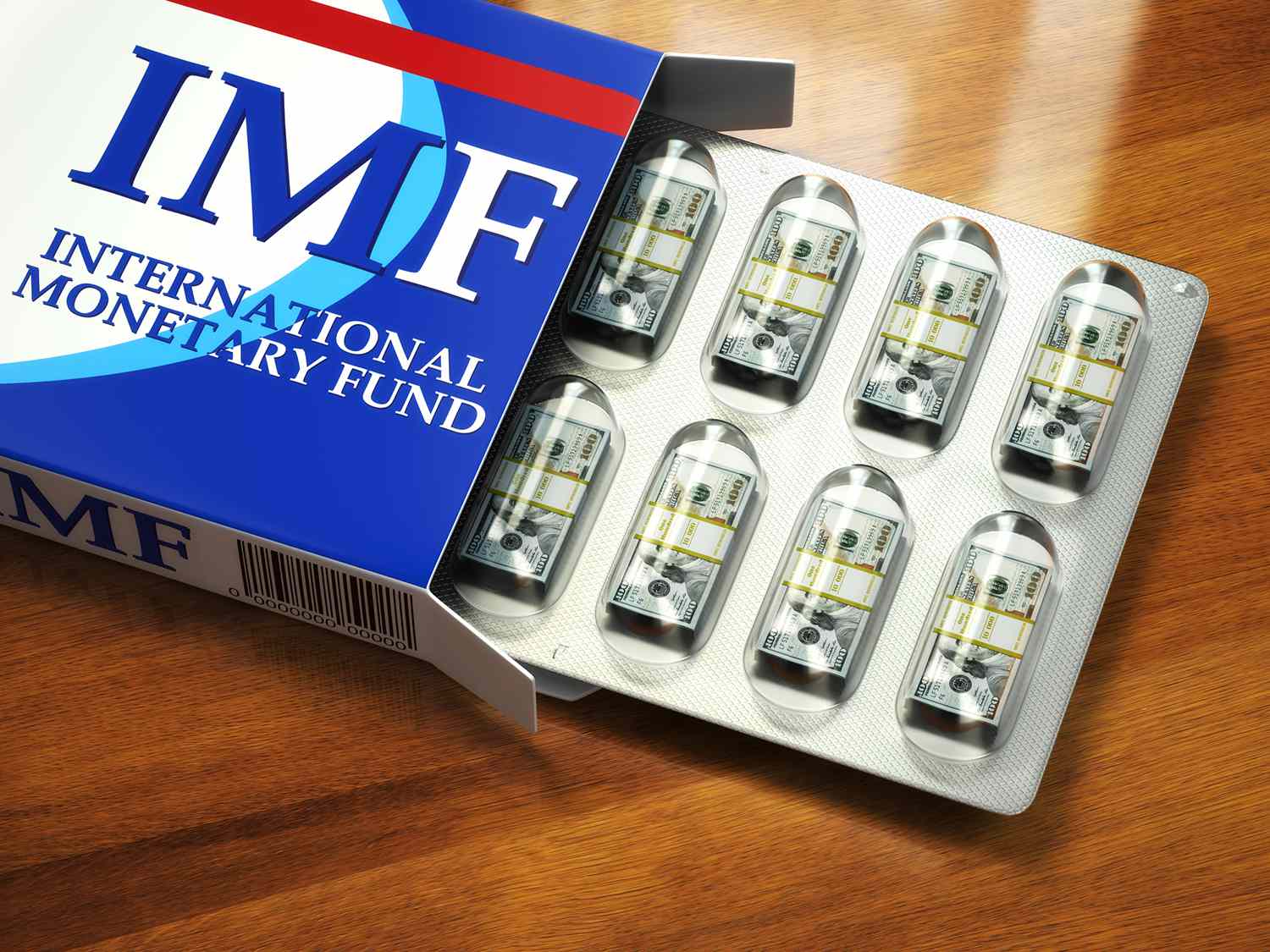

International Monetary Fund 2025: Key Benefits, Drawbacks, and Economic Impact
Explore the role of the International Monetary Fund in global economic stability, its benefits, challenges, and how it influences struggling economies in 2025.
The International Monetary Fund (IMF) stands as a pivotal global institution dedicated to fostering economic growth and ensuring financial stability worldwide.
Founded after World War II to aid in global post-war recovery, the IMF now serves as a vital lender to 190 member countries and a regulator of international financial systems. While it garners significant support, it also faces ongoing debate and criticism.
Key Insights
- The IMF represents 190 countries united to promote global economic stability.
- It provides crucial financial assistance and technical support to nations facing economic hardships.
- IMF loans often come with policy conditions aimed at economic reform.
- Critics argue the IMF’s interventions can sometimes undermine national sovereignty and create moral hazards.
Understanding the International Monetary Fund
Initially, the IMF’s role was limited to overseeing fixed exchange rates under the Bretton Woods system. However, since the system’s collapse in the 1970s, the IMF expanded its functions to include providing financial aid to countries facing balance of payments crises.
One of the IMF’s most notable interventions was the 2011 bailout of Greece, exemplifying its role in stabilizing economies during critical times.
As of 2024, the IMF comprises 190 member nations, each contributing quotas based on their economic size. These quotas fund the IMF’s lending capacity, supplemented by its gold reserves and borrowing authority.
Supporters view the IMF as an essential lender of last resort, capable of enforcing necessary reforms. Conversely, detractors claim it often prioritizes the interests of wealthier nations and can exacerbate economic difficulties.
Economists also highlight concerns over moral hazard, where countries might engage in risky fiscal behaviors expecting IMF support.
Advantages of the IMF in 2024
The IMF offers multiple critical services to its member countries.
Financial Assistance with Conditional Support
The IMF provides vital loans to countries in economic distress, often attaching reform-oriented conditions to promote long-term stability.
Bridging Balance of Payments Deficits
It helps countries manage short-term financial gaps, enabling them to stabilize their economies without resorting to drastic measures.
Technical Expertise and Policy Guidance
The IMF advises nations on economic policy development and publishes research that informs global economic strategies.
Important Consideration
Critics caution that reliance on IMF bailouts may encourage poor fiscal decisions, as countries might expect external rescue during crises.
Challenges and Criticisms of the IMF
The IMF faces the complex challenge of balancing timely intervention with respect for national sovereignty, often drawing criticism from multiple perspectives.
Balancing Intervention Levels
The IMF has been accused both of insufficient action and of overstepping its role. Its policies often reflect the interests of dominant economies like the US, Japan, and the UK, leading to accusations of bias.
Risk of Moral Hazard
Countries such as Italy and Greece have been criticized for fiscal irresponsibility, possibly relying on IMF support as a safety net—mirroring concerns seen in government bailouts of large financial institutions.
Explore useful articles in Markets as of 28-07-2021. The article titled " International Monetary Fund 2025: Key Benefits, Drawbacks, and Economic Impact " offers in-depth analysis and practical advice in the Markets field. Each article is carefully crafted by experts to provide maximum value to readers.
The " International Monetary Fund 2025: Key Benefits, Drawbacks, and Economic Impact " article expands your knowledge in Markets, keeps you informed about the latest developments, and helps you make well-informed decisions. Each article is based on unique content, ensuring originality and quality.