

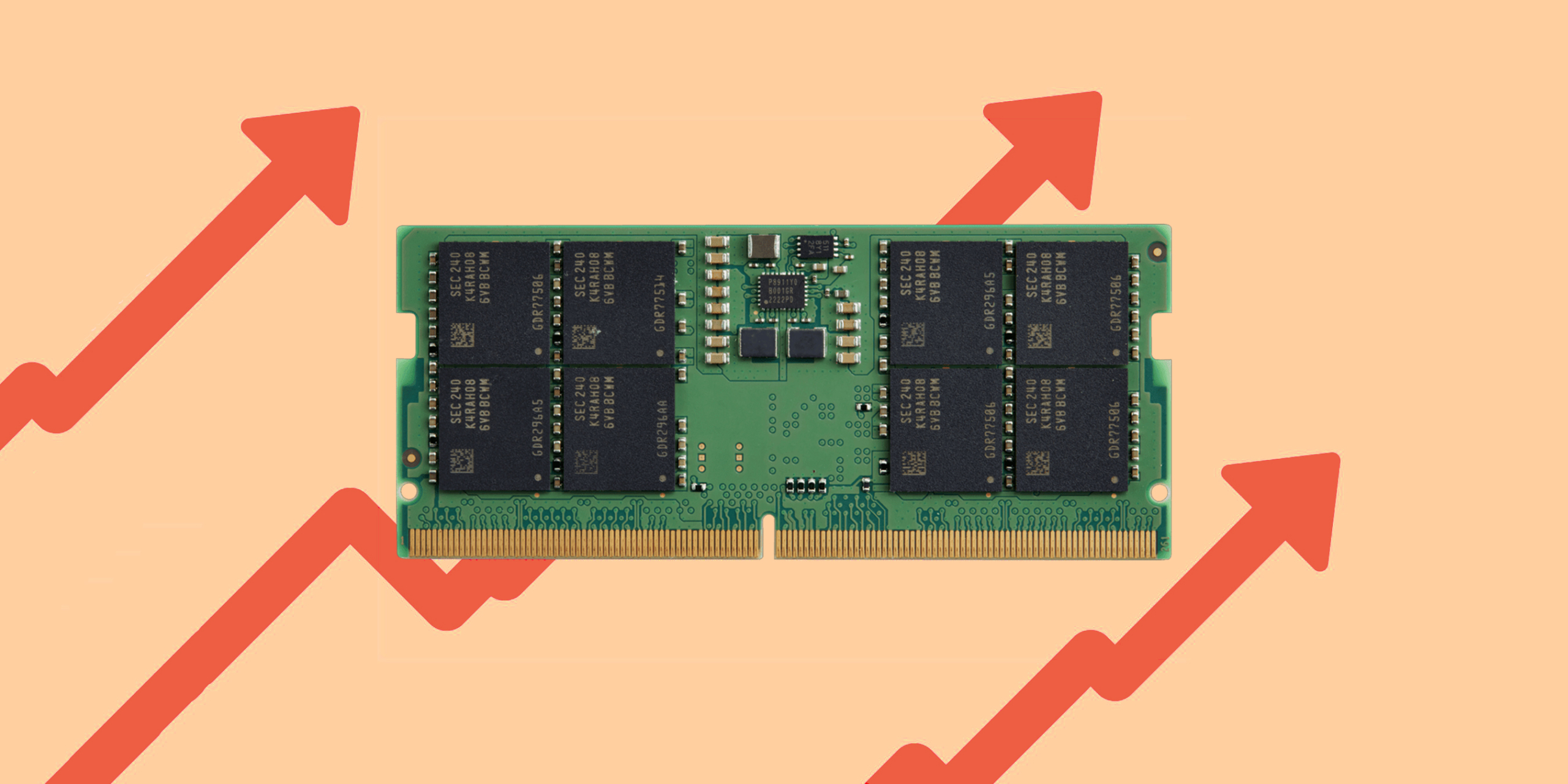

Global RAM Shortage Pushes Up Prices Across Electronics
AI-driven demand from data centers tightens memory supply and raises DRAM and HBM prices, likely lifting costs for personal computers, laptops, smartphones, GPUs, and other devices.
Global memory shortages are reshaping the electronics market. DRAM and specialized high‑bandwidth memory are in high demand for AI servers, pushing prices higher and forcing gadget makers to rethink configurations.
What sparked the shortage
Until late 2022, the market was relatively stable. The AI race, with tech giants like Microsoft, Google, and OpenAI, drove massive investments in data centers and long‑term capacity planning. Server‑grade memory such as high‑bandwidth memory (HBM) and DDR5 became critical and scarce, tightening the supply chain.
Why prices are rising
For a while, consumer RAM prices remained manageable, but by autumn 2025, demand from cloud providers and AI accelerators outpaced supply. The three leading memory makers—Samsung, SK Hynix, and Micron—shifted capacity toward AI workloads, reducing output for mainstream memory.
HBM memory is more complex and expensive to produce than standard DRAM. Each HBM chip requires more silicon and advanced packaging, which lowers the number of chips produced per wafer and slows production, contributing to higher prices for all DRAM types.
The consumer market faced shortages as manufacturers gradually retired older standards like DDR4 and LPDDR4, pushing prices higher even for legacy platforms. Market consolidation—over 90% of DRAM is produced by three companies—also keeps pricing firm during periods of high demand.
NVIDIA has been a major driver behind memory demand for AI accelerators, with data‑center revenue growing into tens of billions in 2025. The company’s push toward LPDDR memory for efficiency also expands demand beyond smartphones to large AI setups.
How much are prices rising
RAM prices for personal computers surged quickly. In just three months (September to December), the average price of mainstream RAM kits jumped by around 250%. RAM bundles that once sold for about $100 rose to roughly $400–$500 by year‑end.
Brand examples include Kingston FURY Beast RGB and TeamGroup T‑Create Expert, which saw price increases of around 285% and 380% respectively. Even budget memory became unaffordable for some shoppers, with older kits moving from under $100 to well over $300.
Smartphones are feeling the effect as well: manufacturers trim RAM amounts in new models to keep overall device pricing stable, with high‑end phones moving from 16 GB to 12 GB, and mainstream models landing around 8 GB. Yet device prices continue to rise in many regions.
Expert comment: Industry analysts say the shortage is unlikely to ease soon, with AI infrastructure still expanding. They expect supply to gradually improve only in 2026–2027 as new plants come online.
Global and regional impact
In several markets, retailers report sharp price increases and tighter availability for RAM, SSDs, and related components. Prices on storage devices have also climbed as demand grows in data centers and consumer devices alike.
Analysts expect the shortage to persist at least through 2026, with new memory plants coming online in Asia over the next few years. Some believe a stabilization or easing might occur in 2027–2028, depending on AI market cycles.
There is also speculation that the AI boom could deflate if profitability remains scarce, potentially easing demand later on. Still, experts caution that any slowdown would not reverse the underlying capacity constraints quickly.
Investments in AI often deliver only a small share of profits, which suggests the so‑called AI bubble could deflate faster than expected.
Are memory shortages affecting you? Share your experience in the comments.
Summary: The AI surge in data centers is reshaping memory supply, with DRAM and high‑end memory prioritized for servers. This shift tightens availability for consumer devices and leads to higher prices in PCs, smartphones, GPUs, and other tech. Analysts predict the shortage will linger through 2026, with some improvement possible later if new capacity comes online and AI demand cools.
Key insight: When AI demand dominates the market, memory scarcity drives higher prices across electronics, reshaping the consumer tech landscape.
Explore useful articles in Tech News as of 19-12-2025. The article titled " Global RAM Shortage Pushes Up Prices Across Electronics " offers in-depth analysis and practical advice in the Tech News field. Each article is carefully crafted by experts to provide maximum value to readers.
The " Global RAM Shortage Pushes Up Prices Across Electronics " article expands your knowledge in Tech News, keeps you informed about the latest developments, and helps you make well-informed decisions. Each article is based on unique content, ensuring originality and quality.