


Effective Nutritional Strategies for Chronic Intestinal Health and Constipation Relief
Discover a specialized dietary approach designed to support chronic intestinal conditions and prevent constipation through balanced, gut-friendly nutrition.
The therapeutic eating plan known as "Table 3" is a gentle medical diet tailored for individuals managing chronic intestinal diseases. This diet is also highly effective in treating and preventing various types of intestinal blockages. In cases of constipation, healthcare professionals often recommend a specific diet aimed at alleviating this condition.
The foundation of this diet emphasizes foods that enhance intestinal motility, while strictly eliminating those that may cause fermentation or putrefaction in the stomach and intestines.
Guidelines and Restrictions
Meat, Poultry, and Fish: When following the "Table 3" therapeutic diet, select lean cuts of meat and fish, prepared by boiling or baking, and consume them no more than 4-5 times per week. Avoid processed meat products such as sausages, ham, canned meats, and similar items. To ensure adequate intake of high-quality, easily digestible protein, incorporating seafood is recommended.
Eggs: Limit consumption to no more than two eggs per day, preferably prepared as steamed omelets or boiled.
Bread and Bakery Products: Acceptable choices include day-old wheat bread made from premium flour without yeast, as well as rusks and plain crackers. Non-rich pastries and cookies are allowed, but any bread or baked goods made with yeast are strictly prohibited.
Dairy Products: Dairy plays a crucial role in the "Table 3" diet. Daily consumption of milk, fermented dairy drinks, cottage cheese (any fat content), yogurt, sour cream, and cheese is encouraged.
Vegetables: Prioritize beets, carrots, tomatoes, pumpkin, zucchini, and cauliflower. Potatoes should be avoided. Prepare vegetables by baking or boiling, and casseroles are also suitable.
Grains: Avoid sticky grains such as round rice, pearl barley, or oatmeal. Instead, opt for fluffy grains like buckwheat, millet, and wheat, which support intestinal motility. Cook grains with either water or milk of any fat content.
Fruits and Desserts: The diet encourages an increased intake of dietary fiber. Fresh fruits and berries, rich in fiber, should be included daily. Dried fruits soaked in hot water are also acceptable. Bananas, grapes, and fruits or berries with a pronounced sour taste are excluded.
One of the richest sources of fiber is fresh fruits and berries, which must be part of the daily menu. Dried fruits soaked in boiling water are also permitted. However, bananas, grapes, and distinctly sour fruits and berries are restricted.
Beverages: Recommended drinks include tea with milk and herbal infusions, such as fennel fruit and flower tea. Wheat bran decoctions positively influence intestinal function. Additionally, compotes made from dried apricots and prunes are beneficial.

Additional Restrictions: To restore normal intestinal function, exclude yeast-based and puff pastry products, first-broth soups, fast food, sugary sodas, kvass, pasta, and legumes. Mushrooms are also prohibited. Avoid drinks such as kissel, cocoa, coffee, and strong tea. Bananas, blueberries, and cornelian cherries are restricted fruits; chocolate and custard-based desserts are not allowed.
Sample Daily Menu
Meals should be consumed frequently in small portions—5 to 6 times per day. A sample daily menu might include:
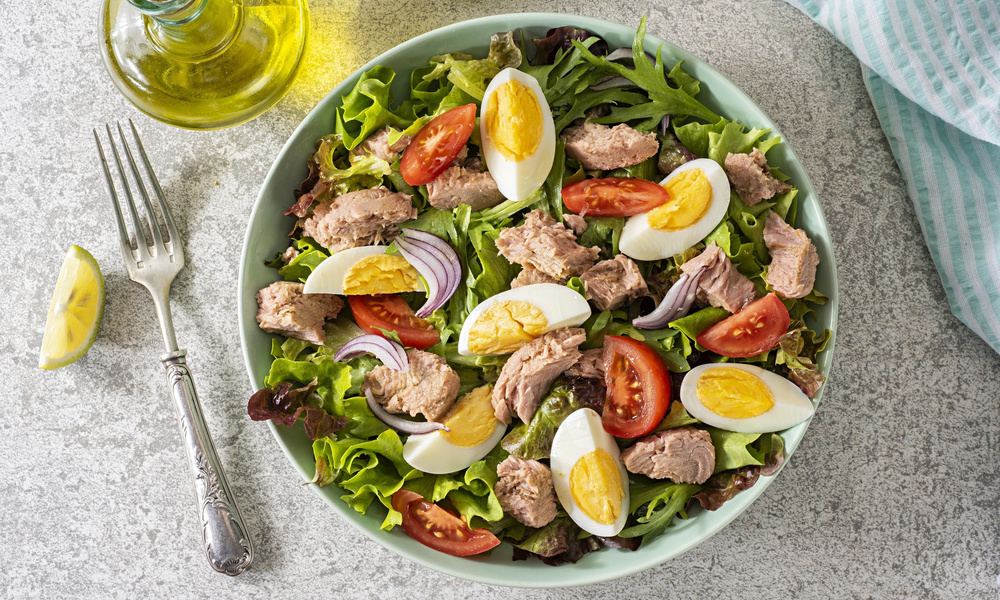
Breakfast: Fresh vegetable salad with tuna, cottage cheese with honey or jam, and mild tea;
Second Breakfast: Fruit salad including apples, pears, oranges, cherries, plums, pineapple, etc.;
Lunch: Seafood soup, vegetable omelet, and dried fruit compote;
Afternoon Snack: Mild tea with a dessert such as fruit pastille or marshmallow;
Dinner: Fluffy buckwheat porridge with butter, baked fish patties; three hours before bedtime: a glass of low-fat kefir;

Fresh Vegetable Salad with Tuna
Ingredients: 200 g boiled tuna (avoid canned tuna), cucumbers, tomatoes, arugula, a pinch of salt, 2 tablespoons olive oil, sprig of dill;
Preparation:
- Wash and slice vegetables thinly. Lightly salt and let sit for 10-15 minutes.
- Boil the whole tuna piece without salt or spices, then cut into small pieces and add to the vegetables.
- Add arugula, olive oil, and dill to the salad. Mix for 3 minutes and enjoy a delicious snack!

Vegetable Omelet
Ingredients: 5 eggs, 1.5 cups cold milk, choice of vegetables, 30 g butter, 1-2 fresh tomatoes.
Preparation:
- Preheat oven to 180°C (356°F). Parboil vegetables like potatoes, broccoli, carrots, etc.
- In a large bowl, whisk eggs (no more than 2 yolks) with cold milk until fluffy. Add vegetables to the egg-milk mixture.
- Grease a baking dish with butter, pour in the mixture, and bake for 7-10 minutes.
- Place tomato slices on top of the omelet and bake for an additional 2 minutes.

Cabbage Rolls with Tomato Sauce
Ingredients: 800 g lean ground beef, 200 g carrots, 3-4 large tomatoes, 200 g brown rice, cabbage head, tomato paste;
Preparation:
- Cook, rinse, and cool the rice. Grate carrots finely and mix with ground beef and rice.
- Boil cabbage head in water for 10-15 minutes until leaves soften. Remove and cool. Separate leaves carefully.
- Place a portion of the meat and rice mixture on each cabbage leaf and roll into neat parcels. Fry cabbage rolls in olive oil for a couple of minutes on each side.
- Add boiled water to the pan and simmer cabbage rolls over medium heat for 20-25 minutes until cooked.
- For the sauce: finely chop tomatoes, sauté them in vegetable oil in a separate pan, then add tomato paste and some boiled water. Mix thoroughly. Serve cabbage rolls with tomato sauce.
Photo credit: Getty Images
Explore useful articles in Diets as of 05-02-2021. The article titled " Effective Nutritional Strategies for Chronic Intestinal Health and Constipation Relief " offers in-depth analysis and practical advice in the Diets field. Each article is carefully crafted by experts to provide maximum value to readers.
The " Effective Nutritional Strategies for Chronic Intestinal Health and Constipation Relief " article expands your knowledge in Diets, keeps you informed about the latest developments, and helps you make well-informed decisions. Each article is based on unique content, ensuring originality and quality.