


Discovery of a New Bacterium Thriving on China's Orbital Space Station
Scientists uncover a novel bacterium aboard China's Tiangong space station that survives extreme cosmic conditions by breaking down gelatin, offering insights into microbial adaptation in space.
Scientists have identified a remarkable new bacterium capable of breaking down gelatin and enduring the harsh environment of outer space.
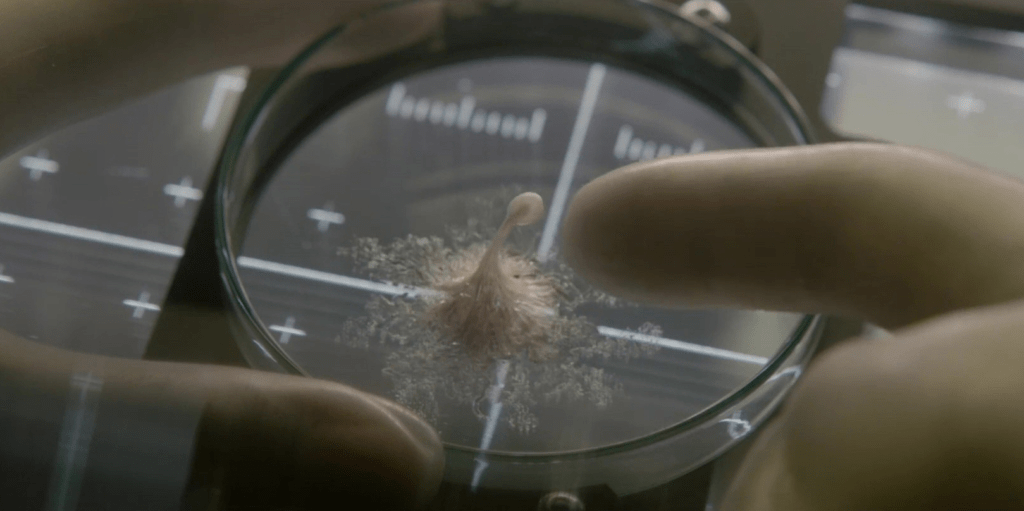
Researchers from the Shenzhou Space Biotechnology Group and the Beijing Institute of Spacecraft Design have discovered a previously unknown bacterial species aboard China's Tiangong orbital space station. This microorganism has been named Niallia tiangongensis, honoring its celestial habitat.
Samples were collected by the crew of the Shenzhou-15 mission in May 2023 as part of the China Space Station Habitation Area Microbiome Programme. Subsequent analyses revealed that this bacterium had never been encountered on Earth and exhibits unique traits that likely enable it to survive the intense stresses hundreds of kilometers above our planet’s surface.
Niallia tiangongensis is closely related to the well-known soil bacterium Niallia circulans, formerly classified under the genus Bacillus. Like its relatives, this new species forms resilient spores that aid survival under extreme conditions.
What sets Niallia tiangongensis apart is its ability to utilize gelatin as a source of carbon and nitrogen, which helps it develop protective biofilms crucial for its persistence in space. Interestingly, it has lost the capacity to metabolize certain other nutrients that its Earth-bound counterparts can process.
While it remains uncertain whether the bacterium originated in orbit or arrived as spores from Earth, its presence highlights microbes' extraordinary adaptability to the space station environment. Notably, the microbiome of Tiangong differs in composition and function from that of the International Space Station (ISS).
Although the potential health risks of Niallia tiangongensis to astronauts are not yet fully understood, related species are known to cause sepsis in immunocompromised individuals. With humanity’s ambitions extending to lunar exploration and deep space missions, studying such organisms is vital to ensuring the safety and success of future space endeavors.
Explore useful articles in Trending News & Entertainment as of 02-05-2024. The article titled " Discovery of a New Bacterium Thriving on China's Orbital Space Station " offers in-depth analysis and practical advice in the Trending News & Entertainment field. Each article is carefully crafted by experts to provide maximum value to readers.
The " Discovery of a New Bacterium Thriving on China's Orbital Space Station " article expands your knowledge in Trending News & Entertainment, keeps you informed about the latest developments, and helps you make well-informed decisions. Each article is based on unique content, ensuring originality and quality.