


Discover Nasal Cytology: A Key Diagnostic Tool for Nasal Health
Explore the significance of nasal cytology, how the test is performed, and what valuable insights it offers for diagnosing nasal and respiratory conditions.
Nasal cytology is a specialized diagnostic method that examines cells and mucus collected from your nasal passages. This procedure plays a crucial role in diagnosing and managing conditions such as allergies, rhinitis, and infections affecting the nasal area.
Performed primarily by otolaryngologists, nasal cytology involves collecting a small sample of nasal cells or mucus for microscopic evaluation. This helps healthcare providers understand the cellular environment within your nose and identify any abnormalities.
Common conditions assessed through nasal cytology include:
- Allergic reactions
- Chronic rhinitis
- Sinus infections
By analyzing these samples, doctors gain essential information to tailor effective treatment strategies for nasal and respiratory illnesses.
Why Is Nasal Cytology Important for Diagnosis?
Doctors rely on nasal cytology for multiple reasons, such as:
- Accurate Diagnosis: Differentiates between allergies, infections, and other nasal disorders by identifying specific cell types and pathogens.
- Personalized Treatment: Helps in formulating targeted therapies based on the underlying cause of symptoms.
- Allergy Identification: Detects immune cells like eosinophils associated with allergic responses.
- Infection Detection: Reveals bacterial, viral, or fungal presence within nasal tissues.
- Inflammation Assessment: Evaluates the extent and nature of nasal inflammation, aiding in managing conditions like nonallergic rhinitis.
- Treatment Monitoring: Tracks patient response to prescribed therapies for ongoing nasal conditions.
- Research Applications: Supports scientific studies exploring nasal diseases and innovative treatments.
Conditions Diagnosed Through Nasal Cytology
This diagnostic tool can identify a range of nasal ailments, including:
- Allergic rhinitis
- Chronic rhinitis
- Sinusitis
- Nonallergic (vasomotor) rhinitis
- Viral, bacterial, or fungal nasal infections
- Inflammatory disorders like nasal polyps and rhinosinusitis
How Is Nasal Cytology Conducted?
The procedure is simple, quick, and generally well tolerated, lasting approximately 20 to 30 minutes. The steps include:
- Patient Preparation: You will be comfortably seated in a clinical setting.
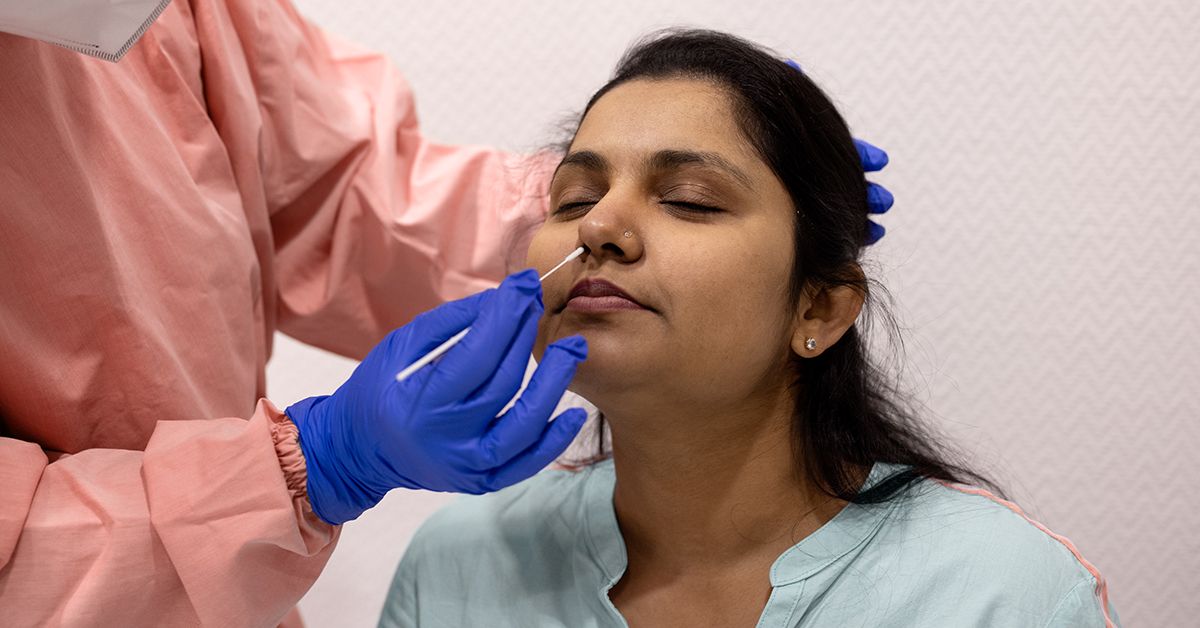
- Sample Collection: A soft brush or swab is gently inserted into the nostril to collect nasal cells. This may cause slight tickling but is painless.
- Slide Preparation: Collected cells are placed on glass slides and stained for microscopic analysis.
- Microscopic Evaluation: A pathologist examines the slides to identify cell types, quantities, and abnormalities to assist in diagnosis.
Are There Any Risks Associated with Nasal Cytology?
Nasal cytology is a safe diagnostic procedure with minimal risks. Some individuals might experience mild discomfort or a rare nosebleed, especially if nasal blood vessels are delicate.
Post-Test Expectations
Following the test, there is no downtime, and normal activities can be resumed immediately. Your healthcare provider will discuss the results and recommend any necessary treatment or additional testing.
Additional Diagnostic Tests for Rhinitis
To complement nasal cytology, doctors may utilize other diagnostic tools such as:
- Allergy skin or blood tests to identify specific allergens.
- Nasal endoscopy for a visual examination of nasal structures.
- Nasal provocation tests to diagnose nonallergic rhinitis.
- Skin prick tests for allergic reactions.
- Rhinoscopy for detailed nasal cavity inspection.
The combination of these tests ensures a comprehensive evaluation and accurate diagnosis.
Frequently Asked Questions About Nasal Cytology
What causes nonallergic rhinitis?
Nonallergic rhinitis may stem from nerve-related issues in the nasal lining. Triggers include smoke, pollution, weather changes, strong odors, and infections.
What does nasal cytology detect?
It identifies inflammation, infections, allergic reactions, and other cellular changes in the nasal passages.
Is the procedure painful?
Nasal cytology is generally painless but may cause slight discomfort during sample collection.
Summary
Nasal cytology is a vital, minimally invasive diagnostic approach that provides valuable insights into nasal and respiratory health. If you experience persistent nasal symptoms, consulting a healthcare professional about this test could be beneficial for accurate diagnosis and effective treatment planning.
Explore useful articles in Sexual Wellness as of 23-12-2023. The article titled " Discover Nasal Cytology: A Key Diagnostic Tool for Nasal Health " offers in-depth analysis and practical advice in the Sexual Wellness field. Each article is carefully crafted by experts to provide maximum value to readers.
The " Discover Nasal Cytology: A Key Diagnostic Tool for Nasal Health " article expands your knowledge in Sexual Wellness, keeps you informed about the latest developments, and helps you make well-informed decisions. Each article is based on unique content, ensuring originality and quality.