


2025 Guide: Ascending Aortic Aneurysm Repair, Surgery Costs, and Size Criteria
Explore the latest insights on ascending aortic aneurysms, including symptoms, causes, diagnosis, treatment options, and when surgery is necessary. Learn about the costs and recovery in 2025.
Understanding Ascending Aortic Aneurysm
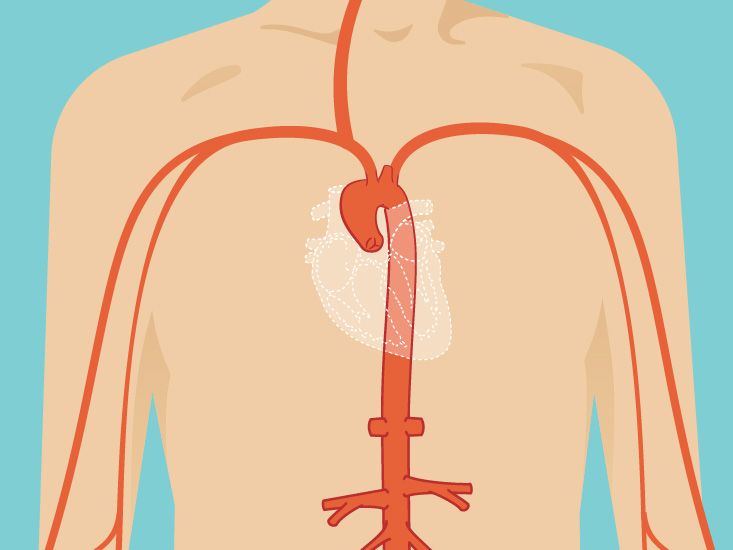
The aorta, the body's largest artery, emerges from the heart and forms an arch. This arch divides into the ascending aorta—the section closest to the heart—and the descending aorta, which supplies oxygen-rich blood to the rest of the body.
The chest section of the aorta is known as the thoracic aorta, while the portion extending through the abdomen is the abdominal aorta.
An ascending aortic aneurysm occurs when a weakened artery wall causes a bulge in the ascending aorta. This condition is particularly dangerous because a rupture here can lead to life-threatening internal bleeding.

Recognizing Symptoms
Many ascending aortic aneurysms remain symptomless and are often detected incidentally during imaging tests like chest X-rays. When symptoms do appear, they may include:
- Persistent chest discomfort or tenderness
- Coughing or hoarseness
- Breathlessness
- Pain radiating to the back, jaw, or neck
A sudden, severe chest pain extending to the back may indicate a rupture, requiring immediate medical attention.
Risk Factors and Causes
The exact reasons why some individuals develop ascending aortic aneurysms are not fully understood. However, several risk factors are identified:
Heart Disease: Atherosclerosis (artery hardening) and aortic valve abnormalities, such as bicuspid aortic valve, increase risk.
Age: Most cases develop in people aged 60-70.
Family History: About 20% of thoracic aneurysms occur in families, often affecting younger individuals.
Genetic Disorders: Conditions like Marfan’s, Loeys-Dietz, Turner, and Ehlers-Danlos syndromes elevate risk due to connective tissue weakness.
Infections: Certain infections, including syphilis and salmonella, can weaken the aortic wall.
Diagnosing Ascending Aortic Aneurysm
Diagnosis often occurs during routine exams or imaging for other conditions. Key diagnostic tools include:
- Echocardiogram: Uses sound waves to image the heart and aorta.
- CT Scan: Provides detailed cross-sectional images; may involve dye to assess blood flow.
- Magnetic Resonance Angiography (MRA): Uses magnetic fields and dye to visualize blood vessels.
Treatment decisions hinge on aneurysm size and growth rate, with surgery typically recommended when the diameter reaches 5 cm.
Modern Treatment Strategies
Aneurysms under 5 cm are often monitored, but surgery is advised if growth exceeds 0.5 cm per year or if symptoms develop. For patients with Marfan’s syndrome, surgery is considered at 4.5 cm or during planned aortic valve surgery.
Conservative Management
Blood pressure and cholesterol control through medications like beta blockers, angiotensin receptor blockers (ARBs), and statins can slow aneurysm progression.
Open Surgical Repair
This involves chest opening to replace the damaged aorta segment with a synthetic graft, occasionally including valve replacement.
Endovascular Repair
A less invasive method where a catheter delivers a graft via leg artery to reinforce the aorta without removing the weakened section.
Emergency Surgery
Urgent intervention is critical for ruptured aneurysms, though risks remain high despite prompt treatment.
Prognosis and Recovery in 2024
Open surgery recovery typically spans about a month, influenced by patient health and age. Endovascular procedures offer shorter recovery times but require ongoing monitoring for graft integrity.
Adhering to medical advice and regular follow-ups is essential, as untreated aneurysms can silently enlarge and rupture. Elective surgery before rupture significantly improves survival, with mortality rates around 5% in planned operations.
Explore useful articles in Sexual Wellness as of 02-09-2017. The article titled " 2025 Guide: Ascending Aortic Aneurysm Repair, Surgery Costs, and Size Criteria " offers in-depth analysis and practical advice in the Sexual Wellness field. Each article is carefully crafted by experts to provide maximum value to readers.
The " 2025 Guide: Ascending Aortic Aneurysm Repair, Surgery Costs, and Size Criteria " article expands your knowledge in Sexual Wellness, keeps you informed about the latest developments, and helps you make well-informed decisions. Each article is based on unique content, ensuring originality and quality.