

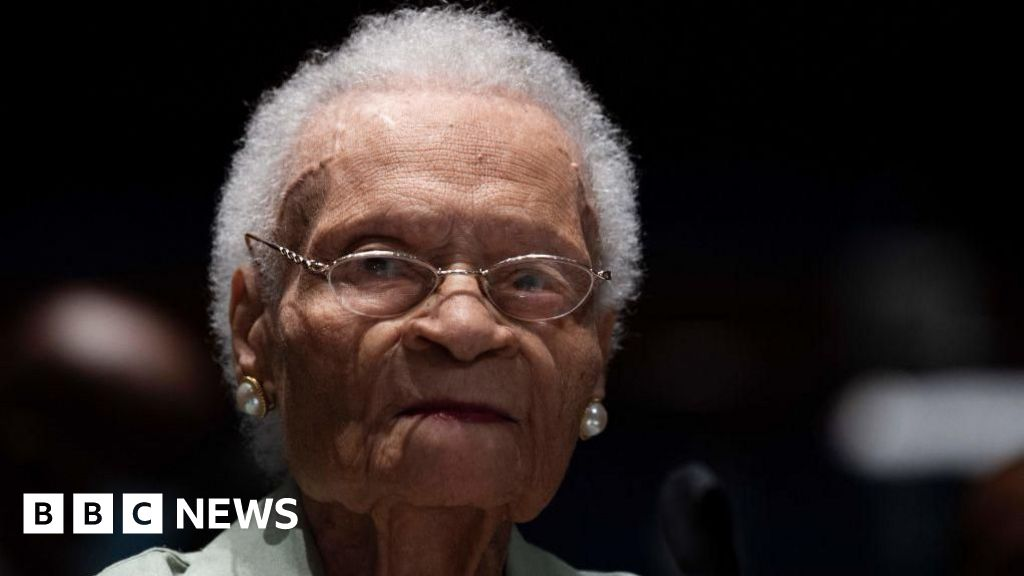

Viola Fletcher, Tulsa Race Massacre Survivor at 111, Dies as Reparations Debate Goes On
Viola Ford Fletcher, the oldest known survivor of Tulsa's 1921 massacre, dies at 111, highlighting a century-long fight for recognition and reparations.
Viola Ford Fletcher, the oldest known survivor of Tulsa's 1921 massacre, died at age 111, marking the end of a life that bore witness to a pivotal moment in American history. Her memory anchors a century-long effort to acknowledge the violence that devastated Greenwood and to seek justice for its descendants.
What happened in Tulsa in 1921
Between May 31 and June 1, 1921, a white mob attack leveled Greenwood, a prosperous Black neighborhood known as Black Wall Street. Officials estimate more than 300 residents were killed and hundreds more were left homeless as homes, businesses, and churches were burned. The violence left a lasting scar on Tulsa and the nation, with survivors recounting the chaos and loss for decades.
Fletcher’s lifelong advocacy
As a child during the massacre, Fletcher carried the trauma into adulthood and became a steadfast voice for recognition and accountability. In later years, she joined other survivors in legal efforts to obtain reparations, a fight that reached the Oklahoma Supreme Court in 2024, where the lawsuit was dismissed. Nevertheless, her public testimony and persistence helped sustain the call for justice and for telling the full history of Greenwood.
Reparations and memory today
The city of Tulsa and state officials have continued to respond to the massacre’s enduring impact. Earlier this year, Tulsa announced a $105 million reparations package aimed at addressing the long-term consequences of the violence and supporting the Greenwood community. While the legal path for compensation remains contested, the package signals a broad commitment to healing and investment in the neighborhood.
Legacy and reflection
Mayor Monroe Nichols, Tulsa’s first Black mayor, praised Fletcher for shaping a forward-looking path through decades of advocacy. Her description of the massacre’s lasting trauma—seeing Black men shot and Black bodies on the streets—remains a powerful reminder of the human cost of racial violence and the ongoing effort to reconcile with the past.
Conclusion
Viola Fletcher’s passing marks both the end of a personal witness and the continuation of a community-led pursuit of truth, accountability, and reparations. Her life stands as a call to preserve memory, confront injustice, and work toward tangible remedies for those affected by Greenwood’s devastation.
Key Takeaways
- The Tulsa Race Massacre of 1921 devastated Greenwood, leaving hundreds dead and communities shattered.
- Viola Fletcher's lifetime of testimony kept the history of Tulsa in public debate and policy discussions.
- Oklahoma’s Supreme Court rejected a reparations lawsuit in 2024, while Tulsa unveiled a multi-million-dollar remediation package earlier this year.
- Efforts continue to ensure historical accuracy and meaningful compensation for survivors and descendants.
Expert comment: Historians note that Fletcher’s enduring voice helped frame reparations as both justice and reconciliation, not merely a financial settlement.
In summary, Fletcher’s death closes a personal chapter but intensifies the ongoing call to address the legacy of Greenwood and to honor those who kept the memory alive for a century.
"The memory of Tulsa’s tragedy lives on as a catalyst for justice, truth, and reparations for Greenwood’s descendants."
BBC coverage