



Valencia floods: Ex-regional president Mazón scrutinized over hours with journalist during disaster
Fresh questions surround ex-Valencia regional president Carlos Mazón after testimony about hours spent with a journalist during the floods, intensifying scrutiny of the emergency response timing.
A year after devastating floods hit Valencia and surrounding areas, former regional president Carlos Mazón faces renewed questions about his conduct on the day of the disaster. New testimony suggests he spent several hours with a local journalist during the crisis, prompting scrutiny of leadership decisions and the timing of an emergency alert.
On 29 October 2024, the floods in Valencia province claimed 229 lives, with eight more fatalities reported in neighboring regions. Mazón, a member of the conservative People's Party, has already said he will step down amid criticism over the regional government's handling of the crisis.
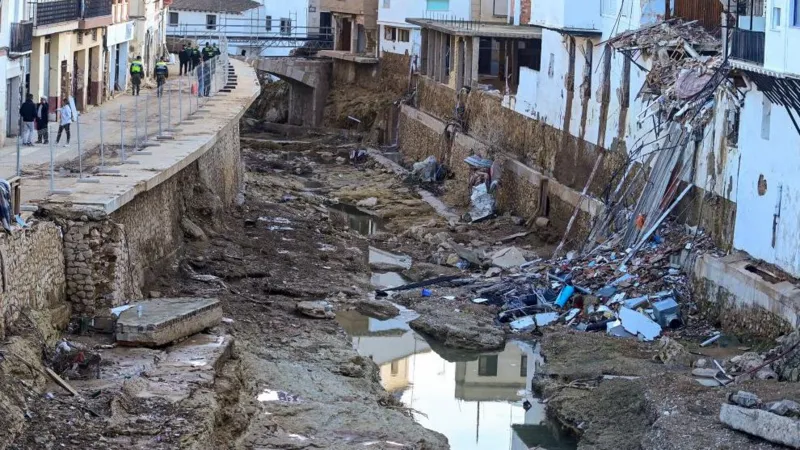
Much anger centered on the delay in issuing an emergency alert to residents—timed after 20:00 on the day of the floods, by which point many had already perished. Investigators say Mazón did not oversee emergency meetings for much of the day because he was at a lengthy lunch with journalist Maribel Vilaplana, a detail that has become a focal point in the inquiry.
Accounts and counter-claims
Vilaplana told the judge Nuria Ruiz Tobarra that she and Mazón left the restaurant around 18:45 and headed to a car park where she had left her car, before they parted ways. Mazón offered a parallel account, saying he spent time in his car replying to messages and taking notes on his computer.
Further examination of Vilaplana’s bank records showed she drove out of the underground car park at 19:47. Levante, a regional outlet, cited party sources claiming the journalist then drove Mazón to the regional government headquarters, arriving around 20:00, suggesting he may have remained with her well into the early evening. The timeline between leaving the restaurant and arriving at the emergency agency remains unclear, with some evidence not accounting for about 37 minutes during which calls went unanswered on Mazón’s phone.
Local reports also quoted police sources claiming Mazón may have stopped at his nearby home for a shower or a nap before proceeding to the government offices and then the emergency agency. Mazón has rejected these claims, insisting he did not stop anywhere and that Vilaplana did not drive him to the government building; he says he walked instead. He added that ongoing reporting has not addressed the core emergency management decisions.
In response to the evolving timeline, Mazón argued that the focus should remain on the handling of the flood crisis, not allegations about movements or travel. He has consistently blamed the central government and state agencies for insufficient information about the floods.
Legal status and political fallout
During today’s questioning, Mazón’s former chief of staff, José Manuel Cuenca, acknowledged that by 15:00, while Mazón was starting lunch, he was aware of the severity in several areas. A former interior department head in Mazón’s administration, Salomé Pradas, has been named as a potential suspect but denies wrongdoing and says she acted with the information available at the time. Mazón cannot be charged due to parliamentary immunity.
Opposition figures have urged action, with one Socialist Party member calling for Mazón to be stripped of his regional parliamentary seat, arguing he remains entangled in a “labyrinth of lies.”
Key Takeaways
- Fresh testimony raises questions about how long Mazón spent with a journalist during the flood crisis.
- Timing and issuance of the emergency alert are central to the investigation of leadership decisions.
- The case highlights tensions between local leadership and central government during a natural disaster.
- Immunity currently protects Mazón from charges, while other officials face scrutiny.
Expert comment
Expert note: In crises, precise timelines and transparent communication are essential for accountability. Officials must clearly explain when decisions were made and what information guided them.
Summary
The Valencia flood case spotlights the importance of timely emergency communications and clear leadership records in disaster response. As investigations unfold, the focus remains on how decisions were made, how information was shared, and who bears responsibility for critical moments during the crisis. The public awaits answers about the delay in the alert and the sequence of events on the day of the floods.
Key insight: Clear, verifiable timelines and open communication are crucial for accountability in disaster response. Source: BBC News