


Seven Signs You're Demanding Too Much from Your Partner
A psychologist explains seven common patterns that push partners away and offers practical steps to rethink expectations for healthier, lasting relationships.
In modern relationships, expectations can outpace reality. Therapists say most tensions come from how we interpret our partner rather than from their character alone. Here are seven signs you might be demanding too much from your partner and how to reset for healthier, more balanced connection.
Esther Perel, a renowned relationship expert, notes that today’s marriages aim for much more than stability; they seek friendship, trust, and passion across a longer life together.
Marriage used to be an economic alliance aimed at stability and family life. Today many couples want a best friend, a trusted confidant, and a passionate lover, all at once, for a long life together. That’s a tall order for one person.
It’s clear that no single person can fulfill every need. We often accept that friends may have different interests or time for us, and that’s normal. But with a romantic partner, expectations frequently shift the dynamic in ways that aren’t sustainable.
1. You expect your partner to be your perfect match
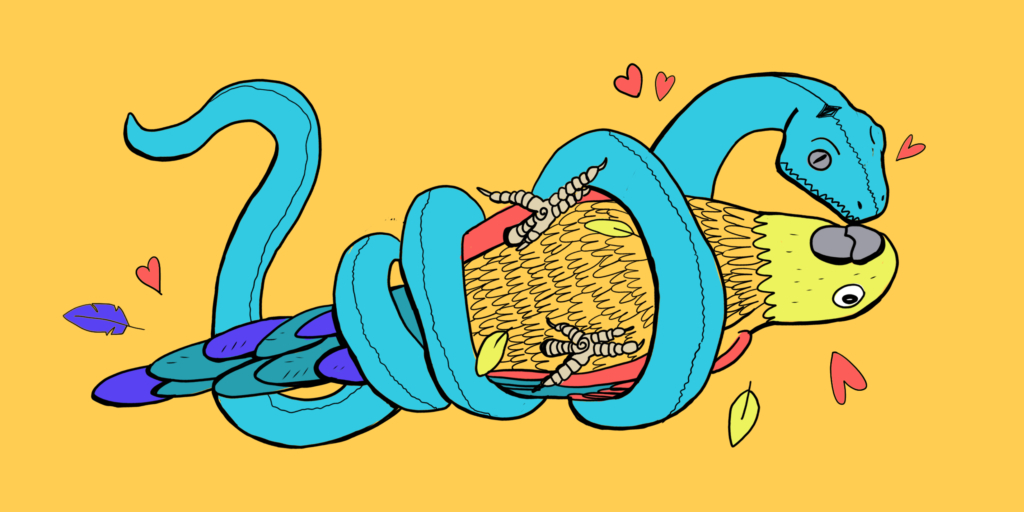
No one fits every need 100%. The myth of finding a flawless partner fuels endless searching, often reinforced by dating apps that promise unlimited choices. Our deepest hopes usually draw on childhood experiences, prompting us to seek someone who fills gaps we carry from the past. Real people won’t check every box or transform life into a perpetual party. You are responsible for your own happiness.
2. You twist words and provoke specific responses
Relationships often reflect how we were raised. The desire for familiar cues can lead to nitpicking, exaggerating flaws, or misreading what was said. For example, one client felt her husband talked to her like a child and wanted more trust, yet she would forget tasks and respond defensively when he called her out. To break this pattern, notice how you react, and ask yourself what triggered your response before the issue escalated.
3. You merge into one and demand the same from them
Early on, couples see each other as distinct individuals. Over time, some lose that sense of identity and start thinking in terms of “we” rather than “you” and “me.” Sacrificing your independence can dull the excitement and make the relationship feel dull or stressful. If you find yourself treating your partner as merely a part of the union, pause and rediscover the person you fell in love with. They’re still there—you may just be overlooking them.
4. You don’t respect your partner’s freedom
Close relationships can tempt us to overstep boundaries, demand attention, or pull a partner away from friends or hobbies. This often happens unconsciously, as a way to feel safe. When personal space shrinks, both partners suffer. Values such as independence and mutual respect help relationships stay vibrant and resilient. Encourage your partner to maintain friendships and interests, and honor their need for space.
5. You expect your partner to read your mind
Many people wish their loved one would know all their desires without being told. They get upset when a partner doesn’t call or notice their mood, even though they never stated their preferences. Clear communication is the only reliable way to share needs. Practice voicing wishes openly and invite your partner to do the same.
6. You place your wellbeing in your partner’s hands
Support and care are essential, but healthy relationships are reciprocal. Some clients report staying in a bad mood for hours or throwing emotional fits to force their partner to attend to them. This dynamic places an unfair burden on the other person and limits personal growth. Relationship health comes from balanced give-and-take, where both partners contribute to each other’s wellbeing.
7. You cling to fantasy
Early experiences shape how we imagine relationships. This internal filter can hide the real person under a layer of hopes, fears, and fantasies. The best approach is to let go of idealized ideas and see your partner for who they truly are. Don’t merge completely; aim for a relationship of two equal individuals who love and respect each other while preserving personal identities. That approach strengthens trust and reduces disappointment.
Conclusion: Healthy partnerships honor each person as an independent individual, emphasize clear communication, and share responsibility. By adjusting expectations and focusing on mutual support, love becomes more resilient and fulfilling.
Lisa Firestone notes that no one can meet all your needs. Happiness in a lasting relationship comes from a balance of self-reliance and mutual support.
Short summary
The article outlines seven common patterns that can push a partner away, from mind-reading to unequal caregiving. It emphasizes treating your partner as a separate person, communicating openly, and preserving personal independence. With adjusted expectations and mutual respect, relationships become more stable and satisfying.
Key insight: Build an enduring relationship by seeing your partner as an equal, honoring individuality, and talking openly about needs.