


Ole Gunnar Solskjaer: From Manchester United Icon to Manager and Beyond
Solskjaer reflects on his iconic United career, his time as manager, and his aspirations for Norway, with insights from his early life and love for football.
In this INLIBER interview, Ole Gunnar Solskjaer opens up about a remarkable football journey—from a late-developer in Norway to a Manchester United legend and manager. He discusses defining moments, leadership, and his ambitions for what comes next in his career.
Early life, breakthrough, and the making of a striker
Solskjaer grew up in Kristiansund, Norway, where football quickly became his lifelong passion. He describes how a year in the army at around ages 19–20 helped him mature and fuel his drive to compete at the highest level. After impressing with Molde, he earned a rapid move to Manchester United following eye-catching performances in international play.
The iconic goal and a storied United career
His most famous moment is the stoppage-time winner that sealed Manchester United’s treble in the 1999 Champions League final against Bayern Munich. Across 366 appearances for United, he scored 126 goals, cementing his place in club history.
From player to manager and the challenges of leadership
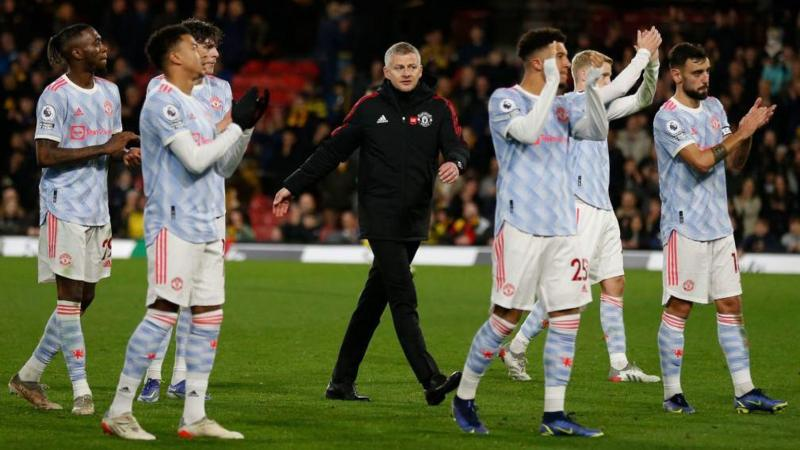
Solskjaer later took charge of Manchester United in 2018, guiding the team to a runner-up finish in the Premier League and reaching the Europa League final in 2021. He was later dismissed after a difficult run of results.
International career and World Cup memories
He earned 67 caps for Norway and played at the 1998 World Cup, a tournament that remains a milestone in his career as his national team continued to build toward future campaigns.
Philosophy, mentorship, and the art of managing
Solskjaer credits studying great managers and adopting lessons from his time on the bench. He recalls how he balanced patience with opportunity, especially when coming on as a substitute to influence games and help the team win.
Family, education, and life off the pitch
Off the field, he and his wife Silje raised three children, all sharing a love for football. His daughter even played for Manchester United Women, a source of great pride. He jokes about being headed toward accounts or mathematics if football hadn’t worked out, reflecting his academic strengths in school.
What’s ahead for Solskjaer
Looking forward, he expresses a clear goal: to become the manager of Norway’s national team and help them compete at the World Cup. He remains passionate about coaching and guiding ambitious players to achieve together.
Expert comment: Solskjaer’s path demonstrates that resilience, mentorship, and continuous learning are key to effective leadership in football. His career underscores how preparation and teamwork sustain success at the highest level.
Short takeaway
Solskjaer’s journey—from a late bloomer in Norway to a Manchester United icon and manager—highlights perseverance, adaptability, and a strong leadership mindset. His most famous goal, managerial near-misses, and ongoing drive to guide national teams offer timeless lessons in football leadership.
Key insight: Perseverance and continual learning from great mentors enabled Solskjaer to rise from a late developer to a top manager, illustrating that leadership in football is built on preparation and teamwork. BBC Sport