

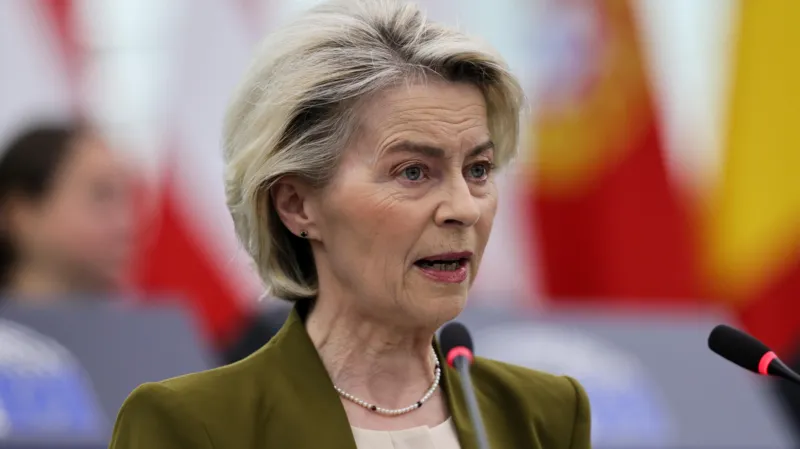

EU says Russia has no real intent for peace as von der Leyen vows unwavering support for Ukraine
EU chief Ursula von der Leyen says Russia shows no real intent for peace and pledges unwavering support for Ukraine, outlining security guarantees and discussions on frozen assets.
The European Union is recalibrating its stance as the war in Ukraine continues, with leaders signaling resolve while diplomacy unfolds behind the scenes. European Commission President Ursula von der Leyen warned that Moscow has shown no real willingness to negotiate and pressed for a robust security framework for Kyiv.
Her remarks followed Moscow’s dismissal of peace talks as premature, underscoring the fragility of any settlement and the distance between positions.
Von der Leyen argued that Ukraine must obtain credible security guarantees to deter future aggression, noting that Russia still views Europe through a postwar lens and seeks to keep it within its sphere of influence.
In Strasbourg, she spoke as U.S. mediators press for a breakthrough between Kyiv and Moscow. Recent exchanges in Geneva and Abu Dhabi led Kyiv to accept the heart of a revised framework after revisions aimed at balancing interests more equitably.
President Zelenskiy welcomed the changes but cautioned that major disagreements remain and that Moscow remains skeptical of concessions. Moscow has signaled a cautious path forward, highlighting mistrust on both sides.
Von der Leyen emphasized that Europe will stand with Ukraine and support it at every step. She noted that the EU has prepared an options paper and a legal text on the fate of Russian assets frozen in European banks, with a decision expected by EU leaders in December.
Belgian officials and other capitals have raised concerns about diverting frozen assets to Kyiv, warning it could breach international law and expose the bloc to litigation. Several member states fear the potential cost to taxpayers if funds are redirected.
Nevertheless, the Commission insists any move will be grounded in legality and accountability. Officials say real peace hinges on credible security guarantees and a robust EU and NATO role in implementation.
Diplomacy has underscored the desire of European leaders to have a say in shaping the security guarantees and the terms of any settlement. A recent meeting of like minded allies hosted by Paris and London focused on practical steps forward.
German Chancellor Friedrich Merz has reiterated that Europe is a sovereign actor with its own interests and values, not a bargaining chip. The Kremlin has meanwhile argued that European involvement is unnecessary and has kept its distance from ongoing discussions.
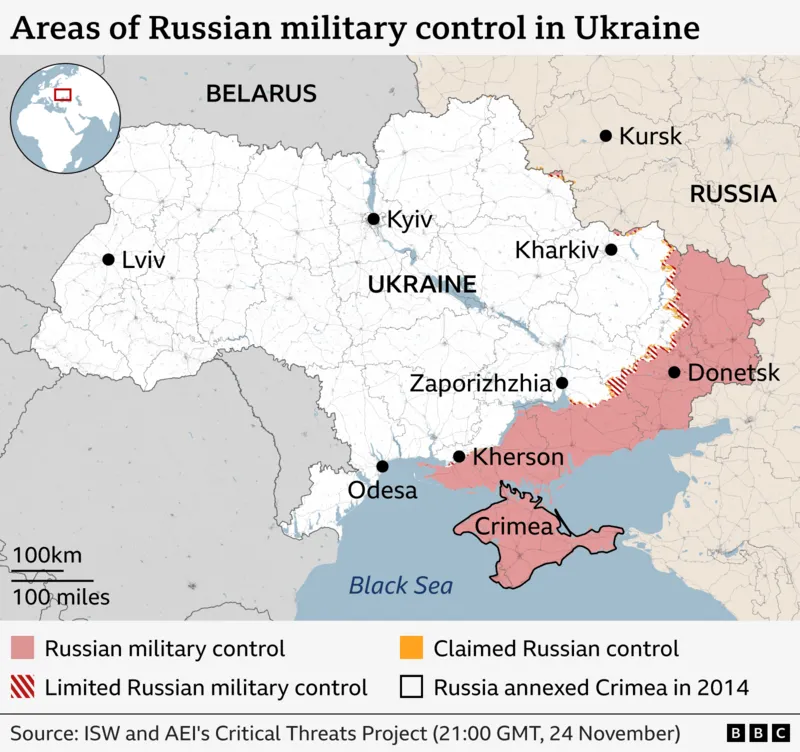
U.S. diplomacy continues with high level visits planned between Washington, Moscow, and Kyiv; Kyiv has pressed for direct talks with key leaders to resolve core disputes such as sovereignty in eastern regions and NATO membership. There have been hints from U.S. circles that a summit could feature such direct talks when a deal nears completion.
In public comments, former U.S. officials floated meetings between top Ukrainian and Russian leaders once an agreement is in sight, underscoring the high stakes of the diplomatic arc.
Key takeaways
- The EU insists on a seat at the negotiating table and a clear strategy for implementation
- Security guarantees for Ukraine are a top priority for any future settlement
- Frozen Russian assets remain a contentious issue with legal and financial implications
- European leaders seek a coordinated approach with NATO and allied partners
- Diplomatic efforts continue even as direct talks between Kyiv and Moscow stall
Expert view Dr Lena Kovac, policy analyst at the East Europe Institute, says the current stance highlights the need for credible guarantees and enforceable terms. Progress will hinge on tangible concessions from both sides and a clear role for European institutions.
The EU is maintaining support for Ukraine while pushing for verifiable security guarantees. Diplomatic activity has broadened to include allies beyond Europe, but real progress requires concrete guarantees and legal clarity on frozen assets. Leaders plan to decide on asset issues in December, shaping the contours of any future peace arrangement.
Key insight: Without Ukraine in the negotiation chair, any peace plan risks losing legitimacy. The EU insists on a central role in security guarantees and in implementing any settlement. Source: BBC report