



Friendly Fraud on the Rise: How Chargeback Scams Harm Small Businesses—and Practical Defenses
A rising wave of friendly fraud—where customers dispute legitimate card charges—hurts UK and global businesses. Learn why it happens and how to defend.
Chargeback scams, often called friendly fraud, are rising for UK retailers and global merchants alike. When a customer disputes a legitimate card transaction after receiving goods or services, a refund goes to them while the merchant bears the loss plus processing fees.
Across the UK, business owners report more cases at cafes and eateries, especially where payments were taken by phone. One London shop owner described a three-month window for chargebacks, allowing claims well after a sale was completed.

The impact goes beyond a single transaction. Merchants are typically asked to refund the sale amount and pay a chargeback fee of about £28 plus VAT, a cost that can add up quickly for small operators.
To counter this, some sellers began keeping paper receipts and cross-checking records for each chargeback, though pursuing individuals locally is risky and not advised.

Global data show the scale of the issue. Worldpay reports that all card fraud, including friendly fraud, cost UK businesses £551.3m in 2023. The problem is not limited to the UK; it is a global concern. A 2025 LexisNexis Risk Solutions Cybercrime Report found first‑party fraud jumped from 15% in 2023 to 36% in 2024, becoming the top fraud category worldwide. Analysts expect the trend to continue into 2026, driven in part by tougher economic conditions.
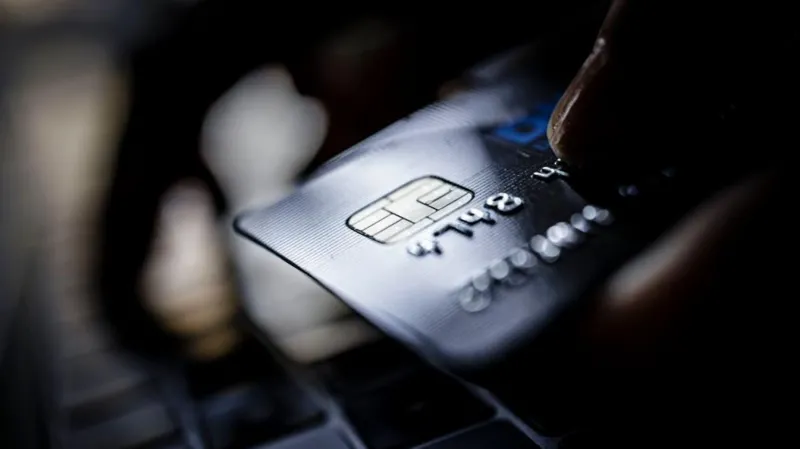
New firms are entering the fight against friendly fraud, offering tools to help merchants contest chargebacks. Ariel Chen, CEO of Chargeflow, describes turning a personal chargeback experience into a business that now helps others protect themselves. He recalls his own brand facing costly, noncriminal disputes and notes the value of proactive defenses.
Not a victimless crime
A cardholder attempting this type of fraud may face account restrictions or a damaged credit profile. While some may view a single chargeback as minor, authorities warn it is still a form of theft when used to deceive. Under laws like the Fraud Act 2006, credit card fraud can carry serious penalties if prosecuted for false representation.
Adam Scarrot of UK Finance emphasises that chargebacks remain an important protection for genuine consumers. He explains the process: when something goes wrong with a payment or a purchase, the customer can request a refund through their bank, which then engages the card scheme and the merchant to resolve the claim. He also urges merchants to build prevention plans, such as confirming orders by text for phone transactions and not releasing goods until a response is received.
What can businesses do?
- Keep meticulous records to defend every claim
- Use proof of delivery with couriers to support disputes
- Invest in fraud prevention tools and follow established guidelines
- Offer friendly refunds or exchanges to limit chargebacks
- Prioritise responsive customer service
- Make refunds straightforward and positive to reduce disputes
UK Finance Advice
Chargeback scams affect firms of all sizes, but smaller businesses are especially vulnerable. Authorities are working to root out abuse and ensure disputes are handled fairly and consistently.
For more updates, follow INLIBER Radio London and connect with INLIBER London on social channels. Share story ideas at hello.INLIBERlondon@INLIBER.co.uk
Key Takeaways
- Friendly fraud is rising and costs merchants time and money.
- Maintain thorough records, demand delivery proof, and use fraud prevention tools.
- Chargebacks protect consumers but require strict verification to prevent abuse.
- Clear refund policies and strong customer service can reduce disputes.
Expert perspective
Ariel Chen, CEO of Chargeflow, notes that many chargebacks stem from disputes rather than criminal activity and emphasizes the need for proactive defense measures. He stresses that building robust processes helps protect both merchants and customers.
Summary
Friendly fraud remains a persistent challenge for merchants worldwide, with rising costs and evolving defense technologies. By tightening verification, documenting delivery, and offering seamless refunds, businesses can reduce these disputes while maintaining customer trust.
Key insight: Friendly fraud undermines trust and costs businesses. Strengthening records and prevention is essential. Source