


Epstein's Elite Network: How the Rich and Powerful Stayed Connected After Conviction
New Epstein documents reveal how wealth and elite connections kept him in touch with politicians, business leaders, scholars, and other influential figures long after his convictions.
New public records shed light on how Jeffrey Epstein maintained his presence among power brokers long after his legal troubles. A cache of emails and memos shows ongoing contact with presidents, ministers, financiers and leading scholars, reviving questions about influence and accountability at the highest levels.
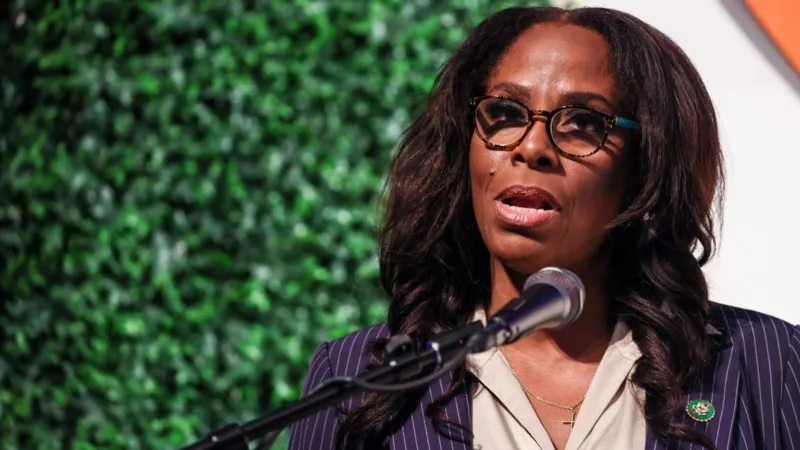
In a late-2019 congressional hearing, exchanges emerged involving Stacey Plaskett, a Democratic representative for the U.S. Virgin Islands. The documents indicate Epstein pressed her to ask about a Trump Organization employee, and she later texted him the short remark: “Good work.”
The extent of his influence
Plaskett says she was consulting many people, including Epstein—whose district overlapped with his long-time residence—and insists she acted to uncover truth, not to defend him. She notes Epstein’s 2008 conviction for soliciting prostitution was decades ago, but the exchange preceded his 2019 arrest on trafficking charges. The Miami Herald investigations had already cast light on Epstein’s private island and alleged abuses there.
Epstein died by suicide in a New York jail six months later, a development that intensified public scrutiny of his network and its influence across Wall Street and Washington.

Epstein's eclectic circle of scholars, entrepreneurs and politicians
The newly released records reveal a diverse mix of academics, business leaders and public figures who moved in Epstein’s orbit. Barry Levine, author of The Spider, notes that Epstein’s charm helped him sustain access to power brokers even as some questioned the ethics of maintaining ties with him.
Epstein described himself as a “people collector,” a label that, according to Levine, hinted at using information to gain favors, financial support, or, in some cases, leverage.
- Lord Peter Mandelson remained in touch with Epstein into 2016, according to emails.
- Noam Chomsky, the prominent linguist, had ongoing financial interactions and hosted Epstein; Chomsky has said Epstein assisted with moving money between accounts.
- Larry Summers, the former Harvard president, sought Epstein’s input on personal matters in 2018, a move that later led Summers to step back from certain duties.
- Other prominent names appeared in the trove, with some admitting they didn’t fully understand the scope of Epstein’s crimes.
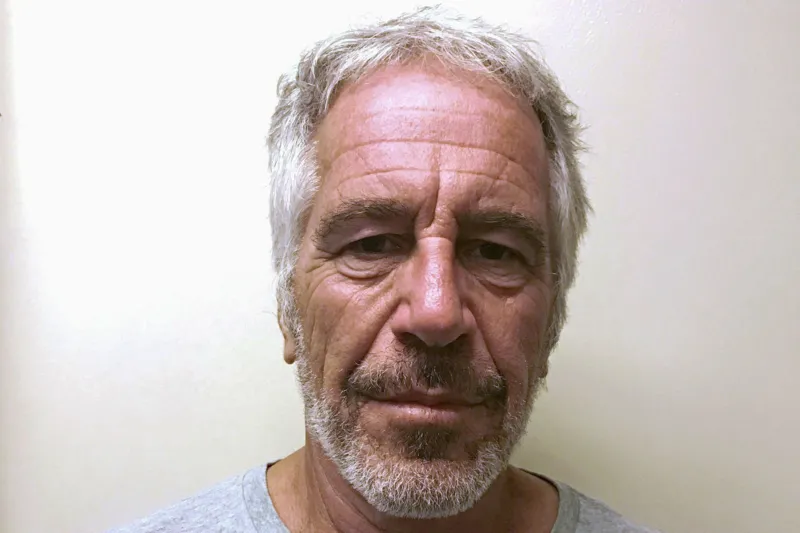
Not all remained in contact. The documents also show several individuals cutting ties as investigations intensified, illustrating how personal boundaries intersect with public scrutiny among elite networks.
The ones who cut ties
Trump’s relationship with Epstein has drawn sustained attention. The records indicate a falling out in the early 2000s; by 2008, Trump was publicly distancing himself from Epstein. The White House has said Epstein was expelled from Mar-a-Lago years earlier for problematic behavior toward women.
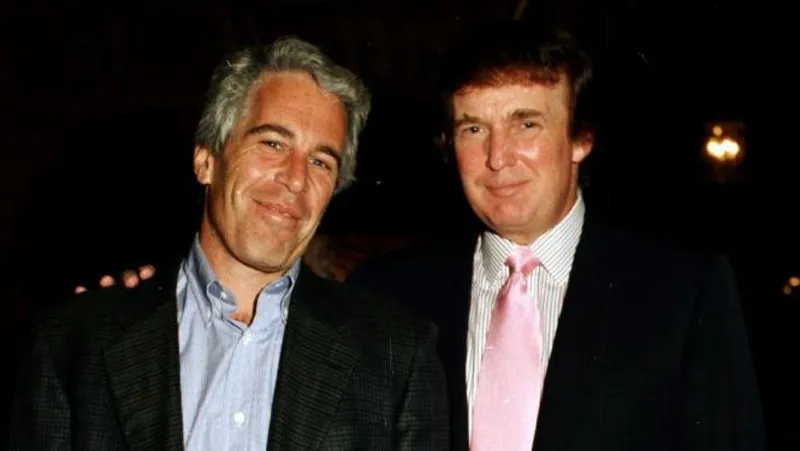
Howard Lutnick, a longtime neighbor and influential finance executive, recalled a tense encounter that convinced him to avoid Epstein in the future. The anecdote illustrates how personal boundaries can shape choices about remaining connected to controversial figures.
What the records reveal about elite networks
Experts say the documents illuminate how power circles balance credibility, notoriety and access. Some colleagues may have viewed Epstein’s conviction as behind them, while others were drawn by the prestige and opportunities his status offered.
Noam Chomsky has spoken about Epstein’s financial help with sincerity, yet the broader ethical questions persist for many who knew him.
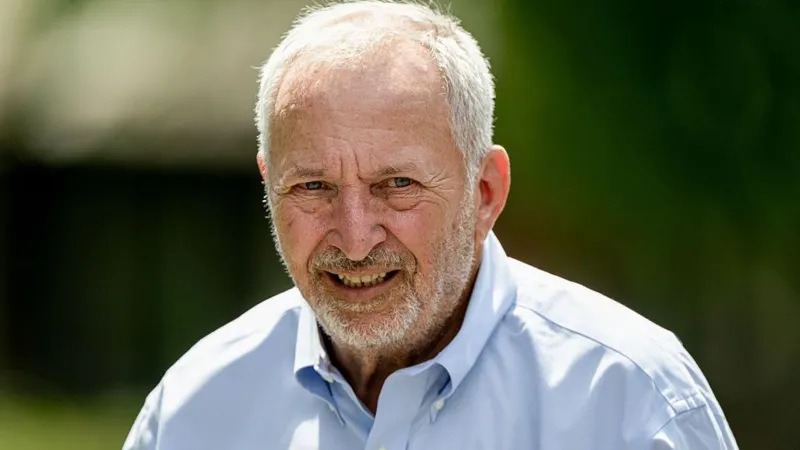
The batch also highlights the complex dynamics of proximity to power: some relationships endured, while others dissolved under the weight of public allegations.
The fallout and the future
As disclosures accumulate, attention turns to how top networks handle reputational risk. The Epstein saga continues to prompt debate about accountability, transparency, and the responsibilities of power in politics, finance and academia.
- Some individuals navigated the lines between curiosity, access, and ethical responsibility.
- Public interest remains high in understanding how such networks operate and who is answerable for their actions.
Key Takeaways
- Epstein leveraged his network to stay connected to elites after his convictions.
- Maintaining contact did not automatically equate to complicity in crimes; prestige and access often influenced decisions to stay in touch.
- New records renew questions about ethics and accountability in elite circles.
- The case continues to shape how society assesses redemption, responsibility and transparency.
Expert commentary
Expert note: Dr. Elena Carter, a specialist in political influence networks, says the material illustrates how power can cushion public scrutiny, while reminding readers that even distant ties can wound reputations when controversies arise.
Summary
The Epstein case remains a touchstone for discussions about the reach of elite networks. The latest disclosures reveal ongoing contact with prominent figures across sectors, fueling debates about accountability and transparency. As investigators analyze the materials, the broader question remains: how much should privilege shield or implicate those connected to such a powerful figure?
Key insight: The Epstein affair shows how wealth and access can endure within power networks even after crimes are revealed, underscoring the need for accountability. BBC News