


Alberta-Pacific oil pipeline deal triggers political tension as Canada seeks export diversification
Canada's pact with Alberta to push a Pacific oil pipeline triggers BC pushback, cabinet resignations, and a heated clash over climate policy and Indigenous ownership.
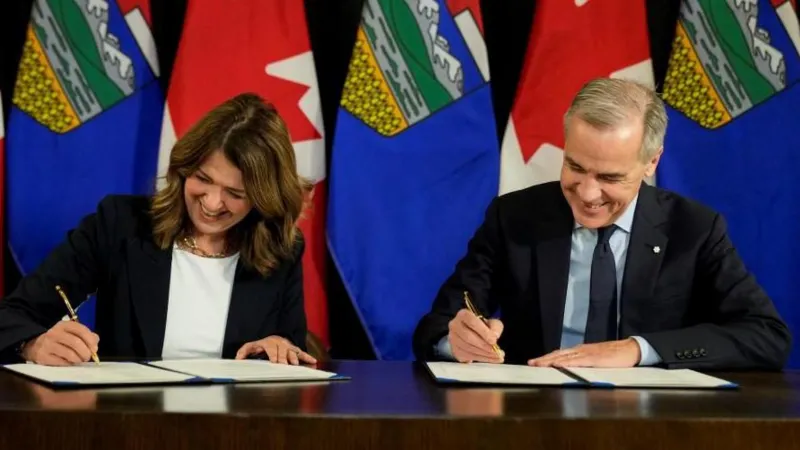
Canada's federal government and Alberta sign a pivotal energy accord that could pave the way for a Pacific coast oil pipeline. The move aims to diversify oil routes beyond the United States but faces political and environmental hurdles that could slow progress.
Deal outline and conditions
The agreement exempts the proposed pipeline from certain federal climate rules and requires Alberta to raise its carbon price and back a major carbon capture program. It calls for Indigenous co-ownership and private financing rather than taxpayer money. It also commits Ottawa to bring British Columbia into talks immediately. The route remains undecided, with potential links to Asia via BC's northern coast.
The plan includes that the pipeline could bypass a tanker ban off BC's coast and indicates a shift away from the previous administration's emissions cap policies.

Political reactions
British Columbia Premier David Eby criticized the process, saying BC wanted a seat at the table and cautioned about the lack of private backers and First Nations buy-in. Coastal First Nations groups warned that the project faces significant hurdles. Federal Culture Minister Steven Guilbeault resigned, citing environmental concerns and arguing the agreement could undermine climate action measures he helped implement. Carney defended the plan as critical to Canada's economic diversification and to expanding oil sales to Asian markets.
Opposition leader Pierre Poilievre dismissed the deal as a first step in a long process that does not guarantee completion, while noting the prime minister's campaign promises of speed.
Economic rationale and outlook
Canada's export reliance on the United States remains high; officials say diversifying toward Asia could reduce vulnerability to U.S. tariff policies and strengthen non-U.S. markets.
With a preliminary plan and no fixed route, the federal and provincial governments say BC will be included in ongoing talks, and private investors will be sought to carry the project forward.
Key takeaways
- The accord marks a major pivot between Ottawa and Alberta on oil infrastructure and climate policy.
- The project hinges on Indigenous co-ownership, private financing, and broad stakeholder approval.
- BC's concerns, Indigenous rights, and investor interest remain critical hurdles.
- Canada aims to broaden oil exports beyond the US, potentially tapping Asian markets.
Expert perspective
Energy policy analyst says the deal is a landmark move that could reshape Canada’s energy strategy, but its success will depend on managing Indigenous involvement and regional opposition. The plan's fate will hinge on credible financing and a durable climate framework.
Summary
In brief, the Alberta-Pacific pipeline deal opens a new chapter in Canada energy policy, balancing economic ambitions with environmental safeguards and regional concerns. While it signals potential for new export routes, significant political and practical barriers remain, including Indigenous engagement, funding, and cross-border approvals. The coming months will test whether Ottawa, Alberta, and BC can align on a viable path forward.
Key insight: A proposed Alberta-to-Pacific oil route could diversify exports but depends on Indigenous partnership, private funding, and broad regional consensus. Source: BBC News